Globe strategic supplier of multinational companies.
Two of own plant for manufacture and pre-assembly.
Senior engineers for design and technical support.
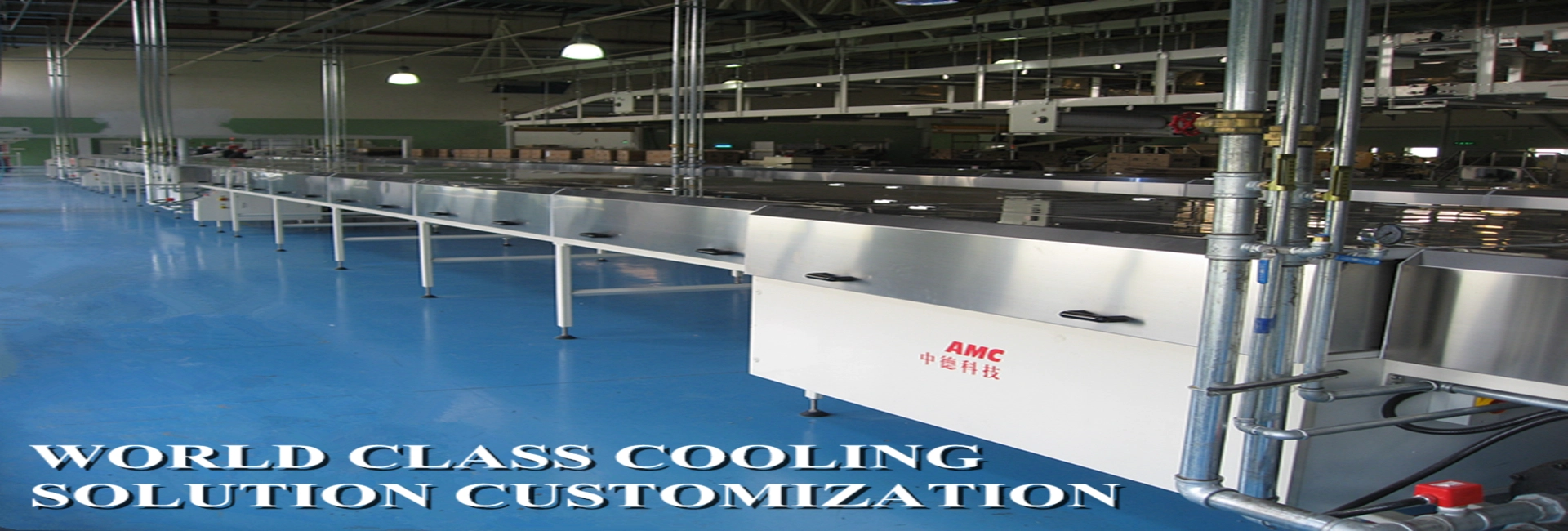
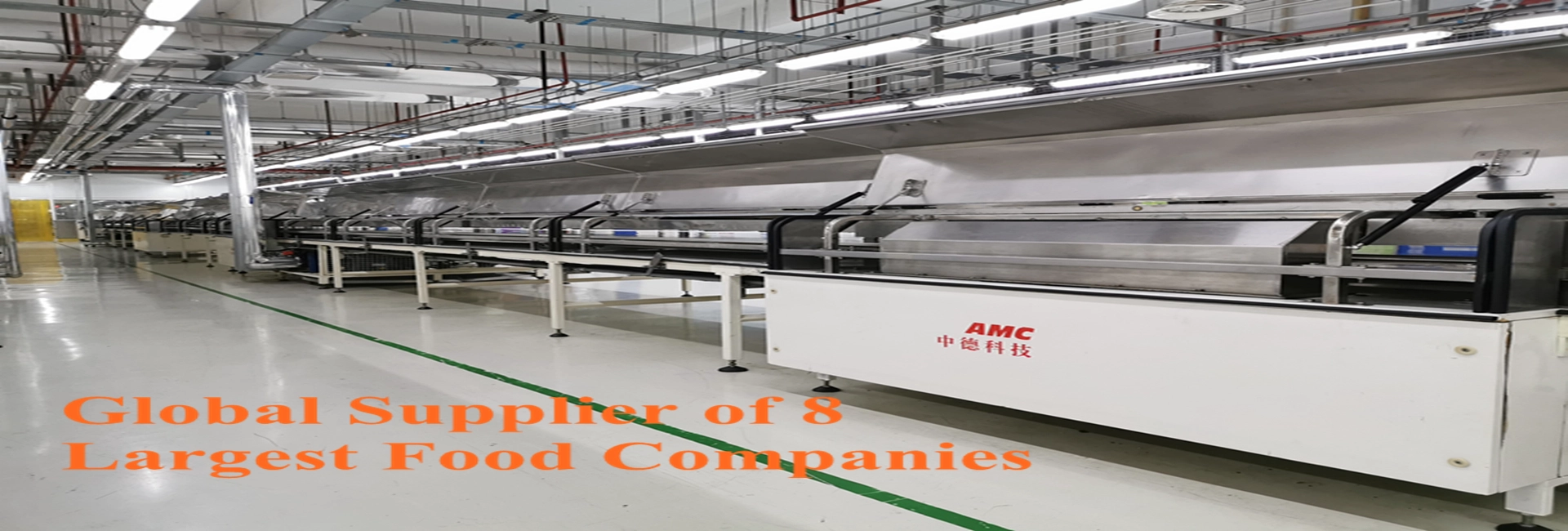
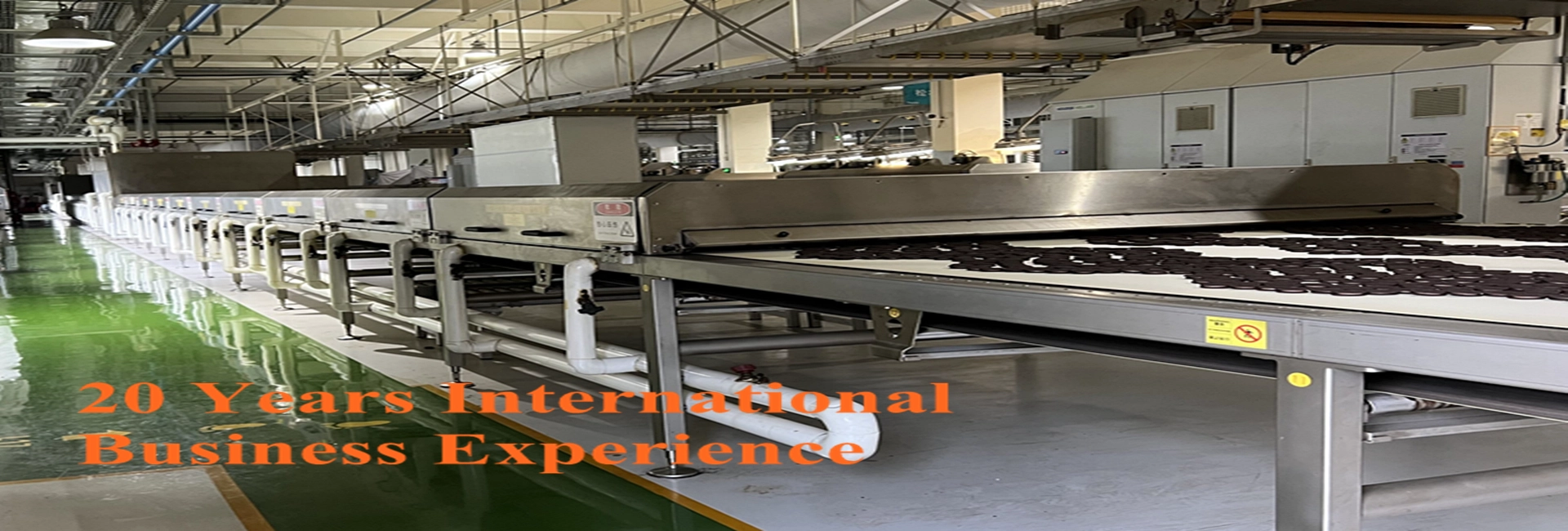
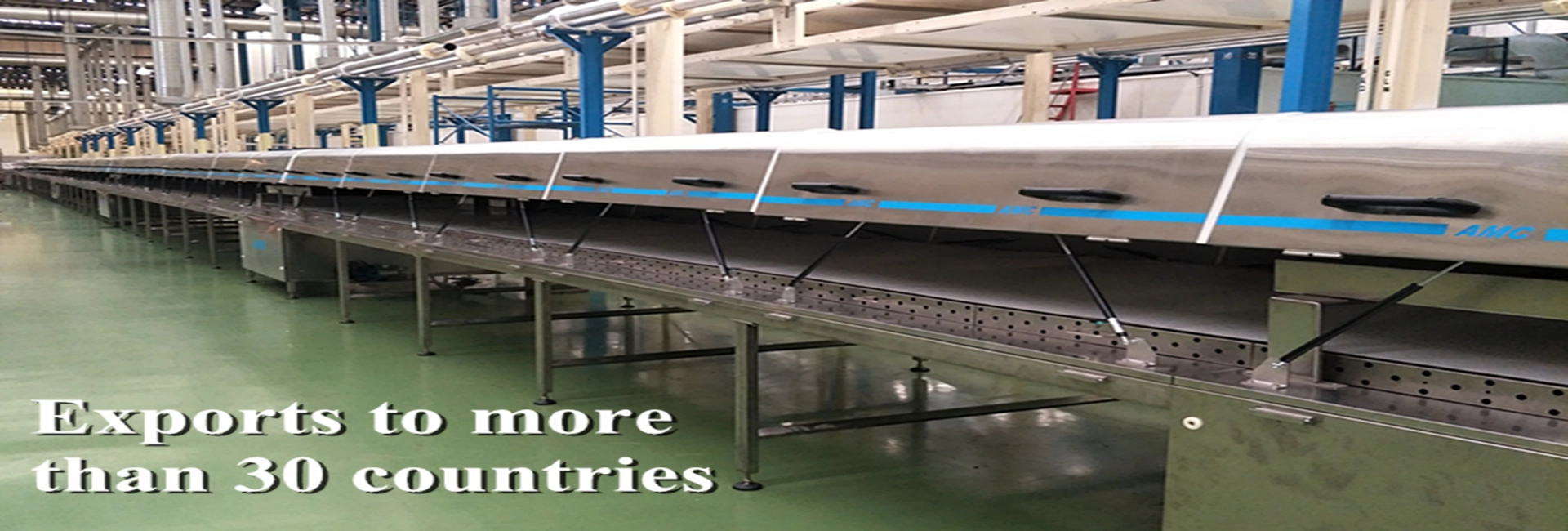
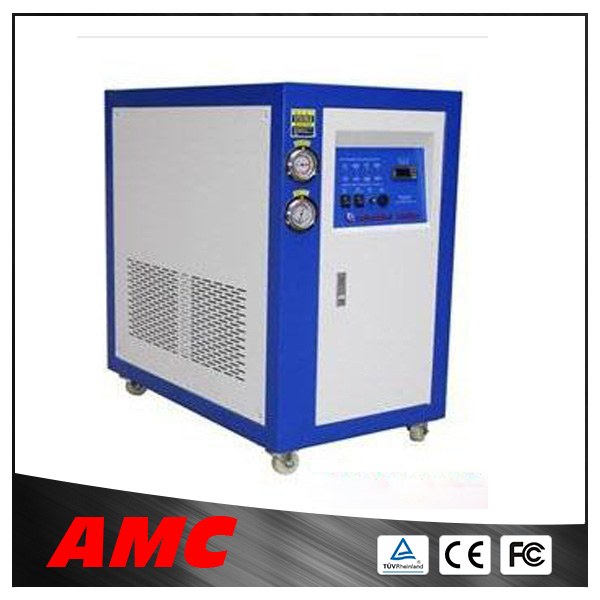
Commonly known as industrial refrigerators AMC industrial chillers, industrial cold water machine, industrial ice machines, industrial cooling, etc., it is widely used in industrial production. Industrial chillers include four major components: a compressor, condenser, evaporator, throttling device. This is a perfect combination of four components, so as to achieve the purpose of cooling. AMC engineer as these four main components, called the four King Kong.
1, the compressor
Role refrigerant compressor is the evaporator refrigerant vapor inhalation, and compressed to the condensing pressure and then discharged a condenser, used piston compressors, screw, centrifugal and so on.
2, a condenser
The condenser is a high-temperature refrigerant vapor from the compressor is condensed into a liquid. In the condensation process, the refrigerant vapor releases heat, so the need for cooling water or air. Commonly used with fins condensers, shell and tube condenser. Extension numerous industrial chillers most used condenser fins.
3, the evaporator
An evaporator liquid refrigerant is evaporated into vapor, to absorb the heat of the object to be cooled. The evaporator is an external output device cold, cold output of cooling liquid refrigerant can also be direct cooling air. It has a single loop, double loop, select the loop of three.
4, throttle
Effect throttle mechanism is liquid refrigerant flows through the throttle mechanism, the condensing pressure is reduced to evaporation pressure by the pressure, a portion of the liquid is converted to vapor. Commonly used capillary throttle mechanism, manual throttle, thermal expansion valve, float valve, etc., do not have the regulatory function of capillary, the other three adjustable throttle traffic entering the evaporator refrigerant chillers to accommodate refrigeration load changes, in order to achieve the purpose of adjusting the cooling capacity.