




How to Choose the Right Cooling Tunnel?
Selecting the optimal cooling tunnel requires a systematic analysis of your product and process specifications. Key criteria include:
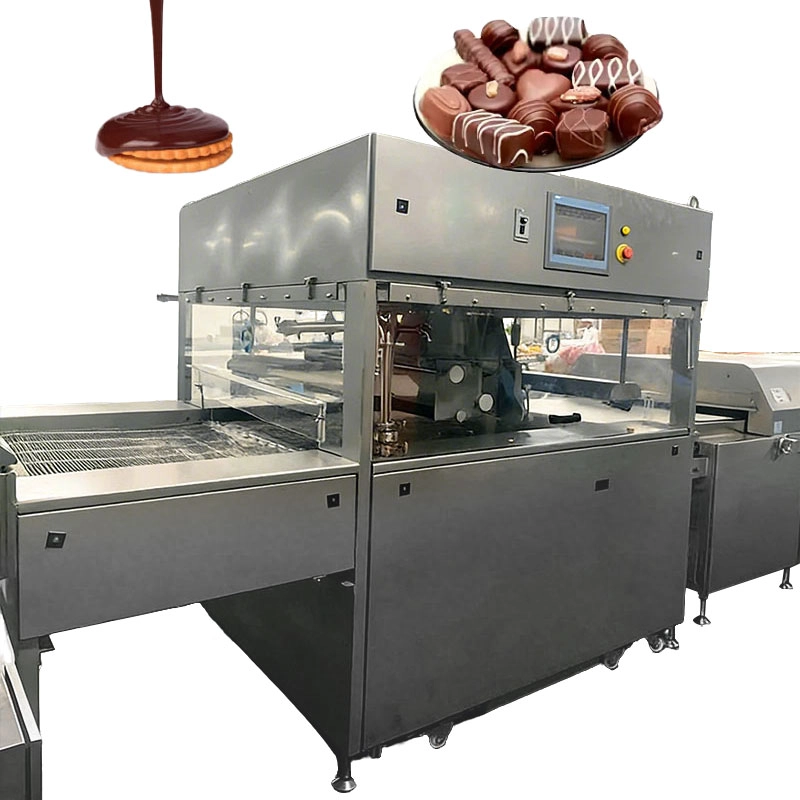
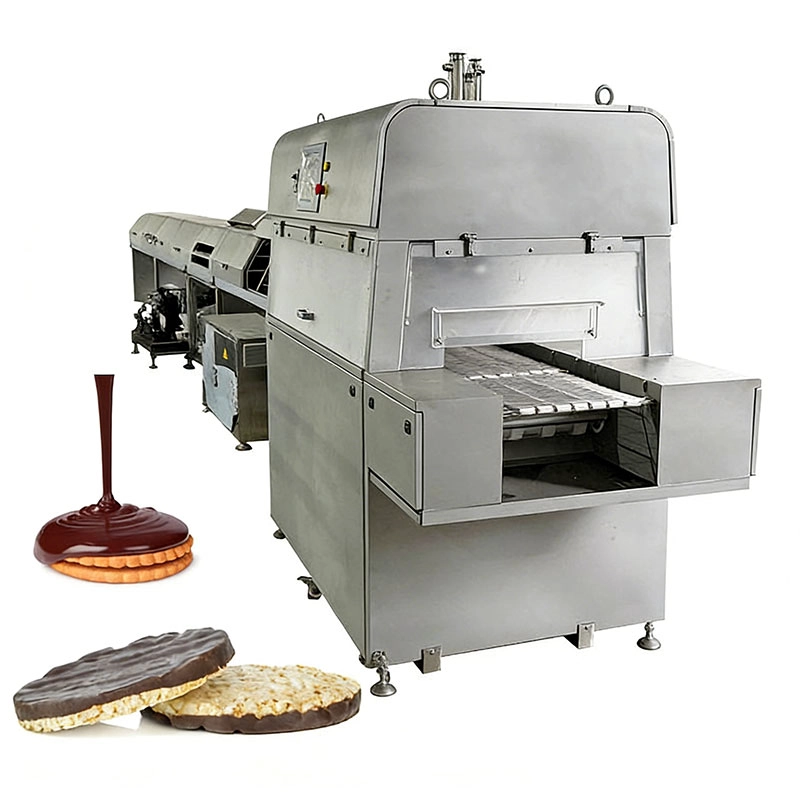
1. Product characteristics. Consider the product's heat load, moisture sensitivity, structural fragility, and required final temperature. Moisture-sensitive products like chocolate and baked goods generally favor air cooling, while high-heat-load products benefit from water or combined systems.
2. Cooling rate requirements. Water cooling is significantly faster than air cooling. If your production line demands rapid temperature reduction, water or combined systems are preferable. Air cooling rates can be comparable under high-velocity conditions but require precise control.
3. Hygiene and food safety standards. For products subject to strict microbiological standards—such as pharmaceuticals or ready-to-eat foods—air cooling eliminates water-borne contamination risks. Water cooling requires rigorous biocide treatment and cleaning protocols.
4. Water availability and discharge. Water cooling systems consume significant water resources. In water-scarce regions, air cooling or hybrid systems with reduced water consumption are more sustainable choices.
5. Plant environment. Water cooling introduces humidity, condensation, and corrosion risks to the production area. If your facility cannot accommodate a humid environment, air cooling or combined systems with proper containment are better options.
6. Maintenance resources. Air cooling requires standard mechanical maintenance. Water cooling demands chemical treatment, circuit cleaning, and descaling. Combined systems require both. Assess your maintenance team's capabilities before committing.
7. Space constraints. Air cooling requires the largest footprint. Water cooling is the most compact. Combined systems fall in between.
8. Energy costs and climate. In hot climates, air cooling efficiency drops significantly, and energy consumption rises. Water cooling remains stable. Hybrid systems offer the flexibility to optimize energy use across seasons.