












The Limitations of Air Cooling Tunnel
The Limitations of Air Cooling Tunnel:
Slower cooling rates. Air has a lower heat transfer coefficient than water. Theoretically, air cooling rates can be comparable to water cooling under certain conditions of product exposure and air temperature, but this requires very high air velocities and precise temperature control.
Higher energy consumption in hot climates. Air-cooled systems depend on the dry bulb temperature. In hot environments, achieving the desired cooling temperature requires significantly more energy and larger heat transfer surface areas.
Larger footprint. Air cooling systems typically require more space than water-based alternatives due to the larger heat exchange surface area needed.
Weight loss risk. In poultry processing, up to 3% yield can be lost when chilling with air if no countermeasures are taken.
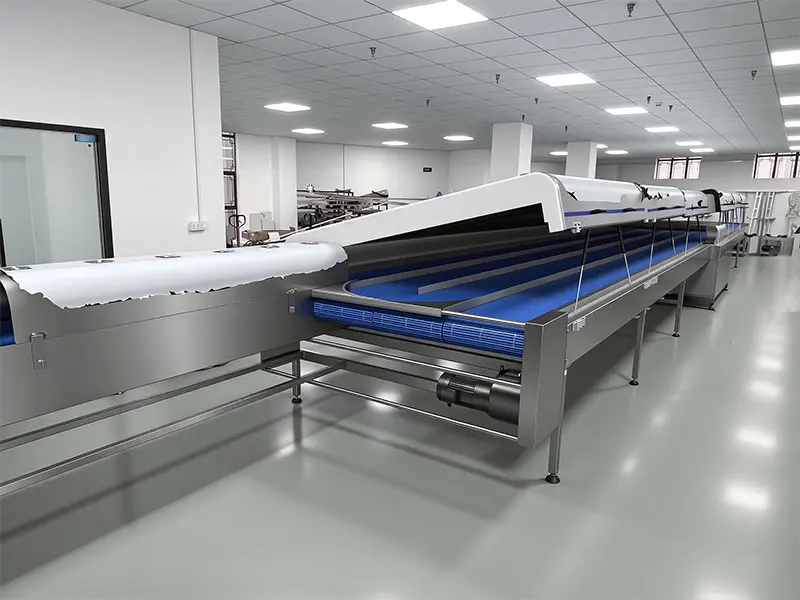
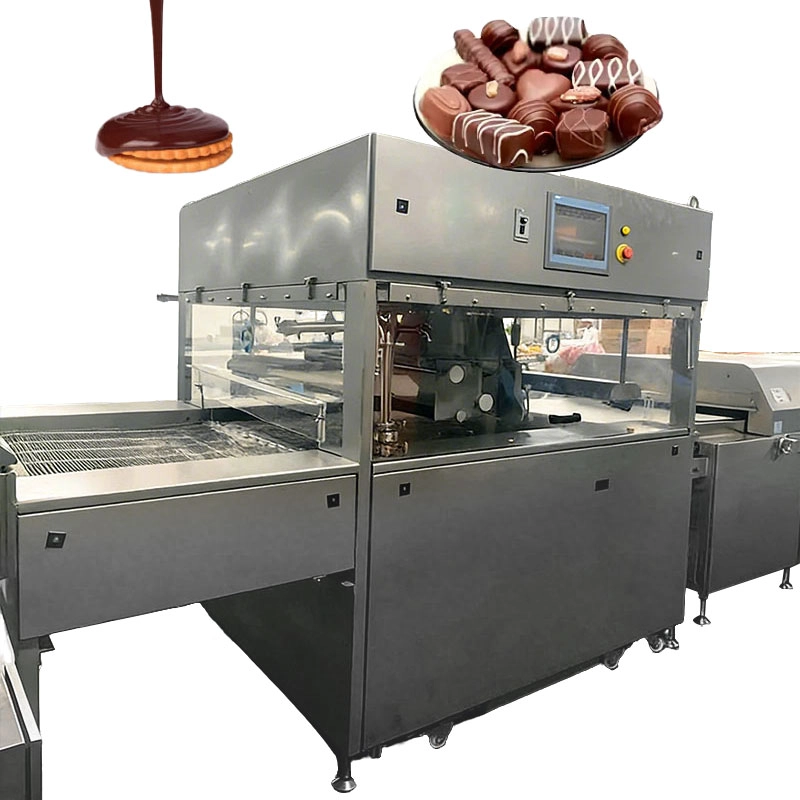
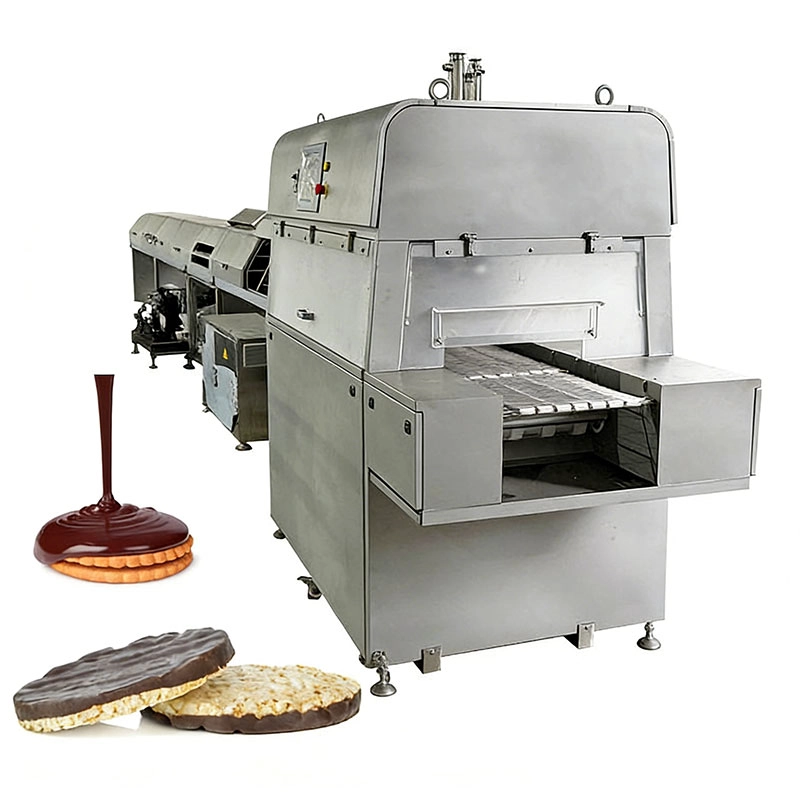
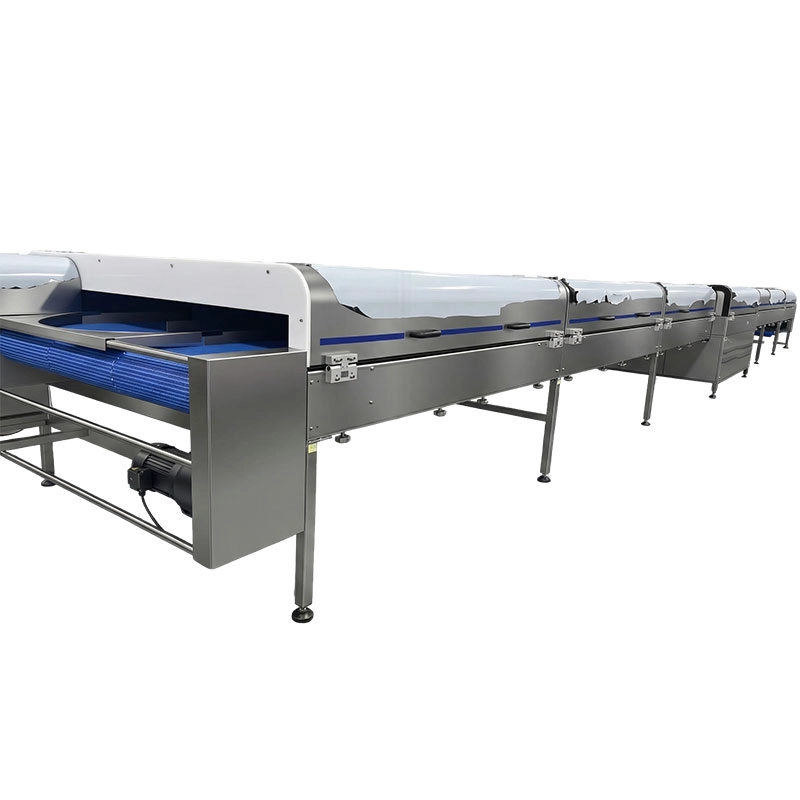
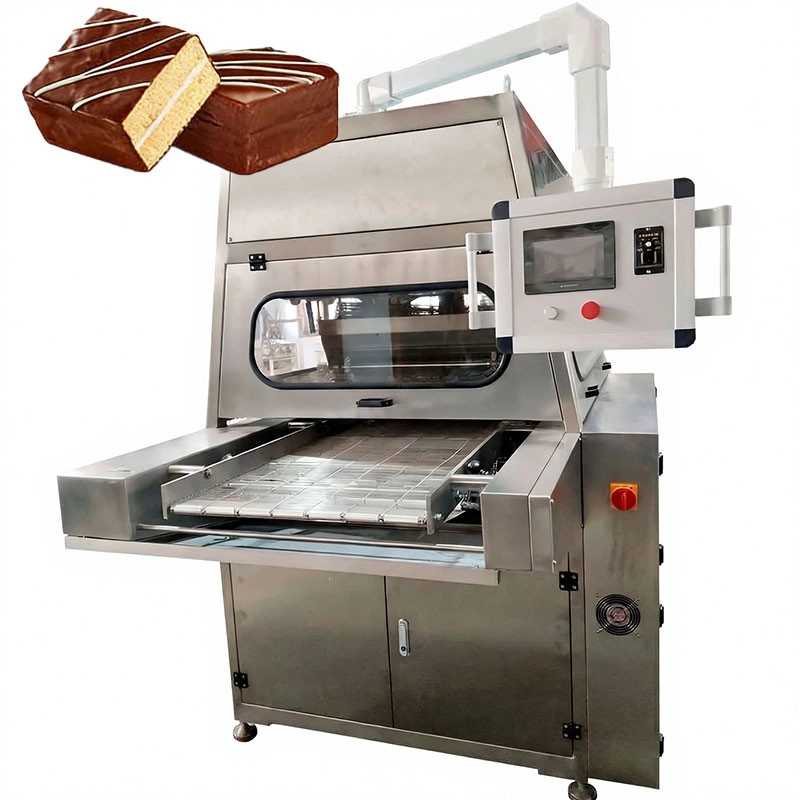
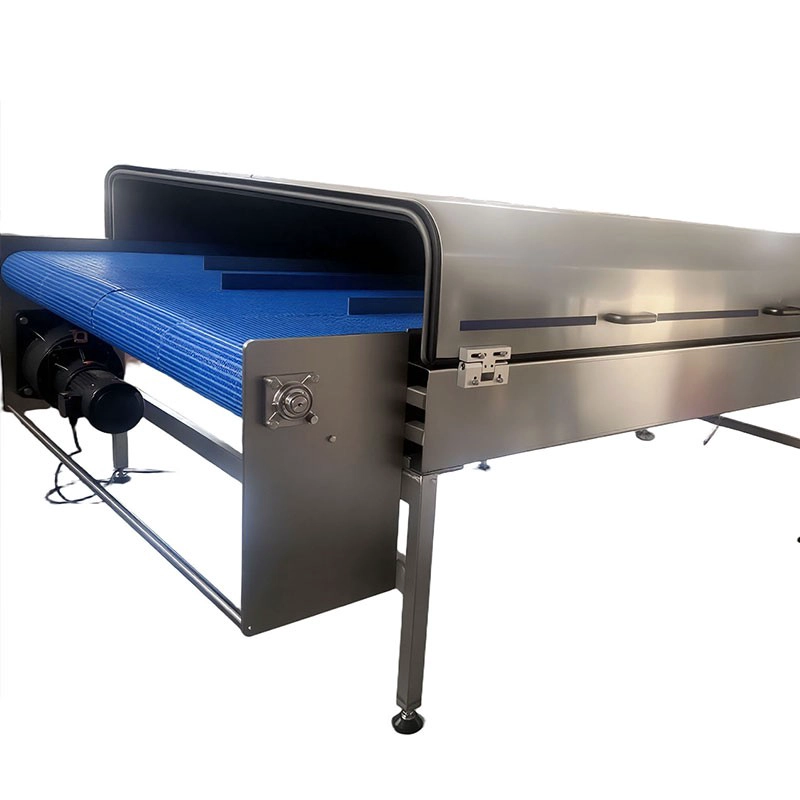
Air cooling tunnels are widely used for poultry chilling, chocolate and confectionery cooling, bakery products, and pharmaceutical vial cooling. The Meyn Air Chilling System, for example, passes poultry through a specially designed tunnel with multiple layers and top-to-bottom airflow to optimize space utilization and energy efficiency.