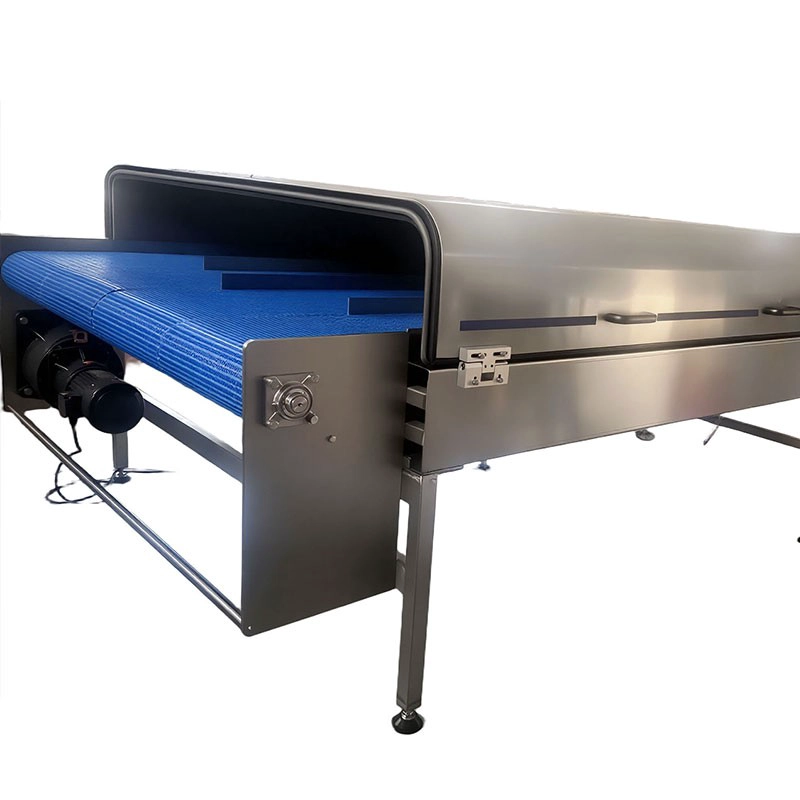
Frequently Questions About Cooling Tunnel
Q: Can air cooling achieve the same cooling rate as water cooling?
Theoretically, yes, under specific conditions of product exposure and air temperature. Apples moving through a cooling tunnel on a conveyor belt can cool faster with air at 20°F approaching at 600 fpm than in a water spray at 35°F. However, this requires very high air velocities and precise temperature control, which may not be practical for all products or facilities.
Q: Which cooling tunnel type is best for chocolate products?
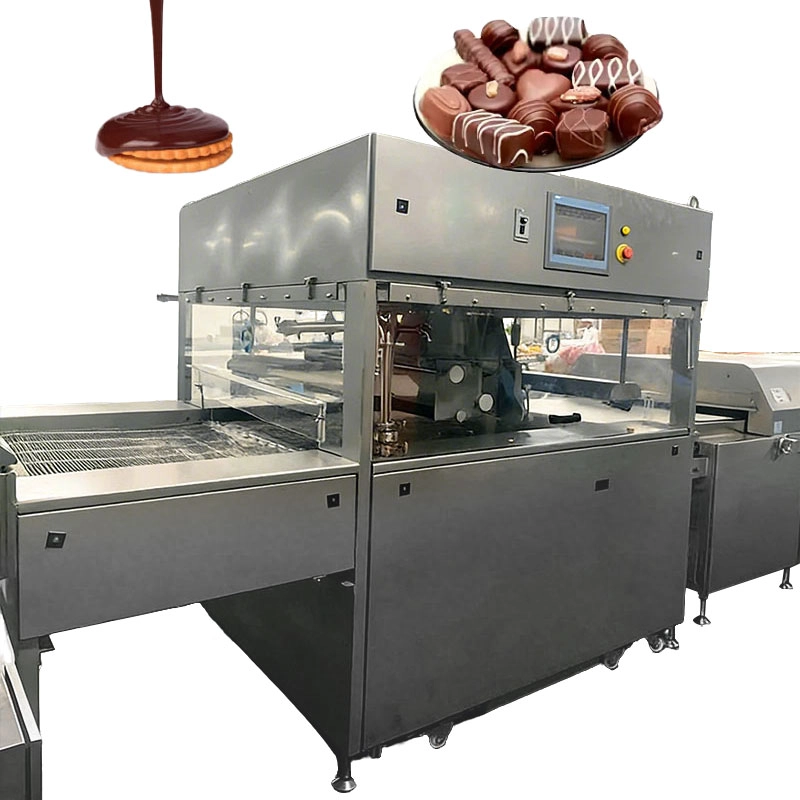
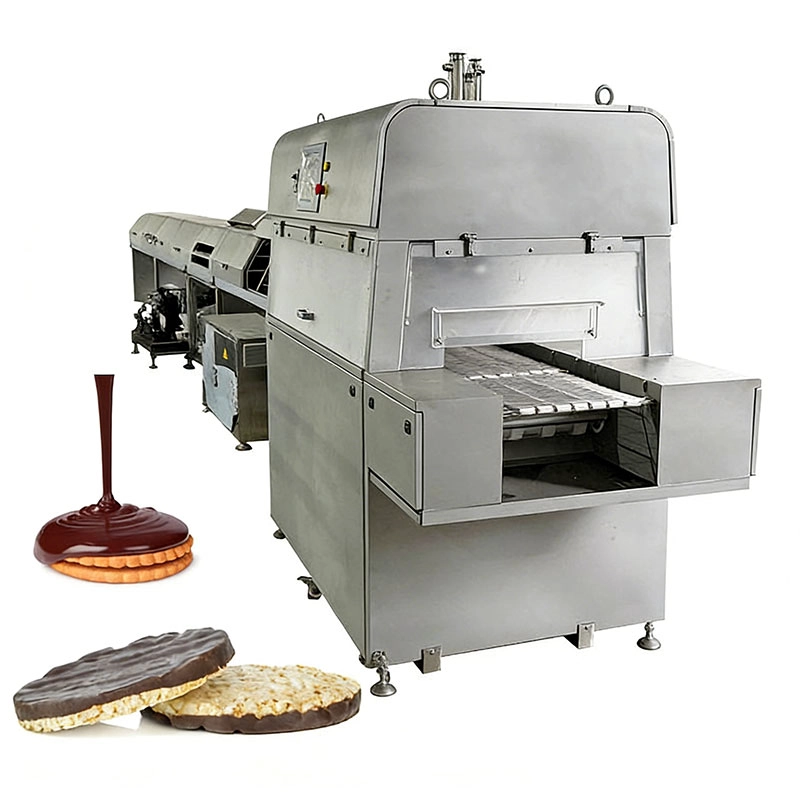
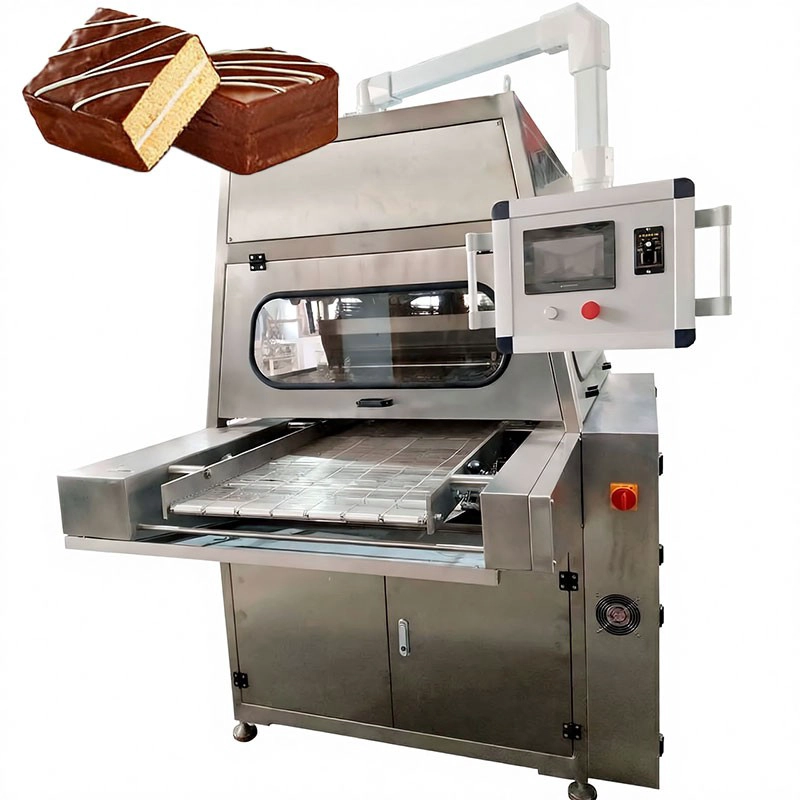
Chocolate requires gentle, controlled cooling to prevent fat bloom and cracking. Air cooling is generally preferred for chocolate enrobing lines because it keeps products dry and allows progressive temperature reduction. Water cooling can provide more stable temperatures but introduces moisture risk.
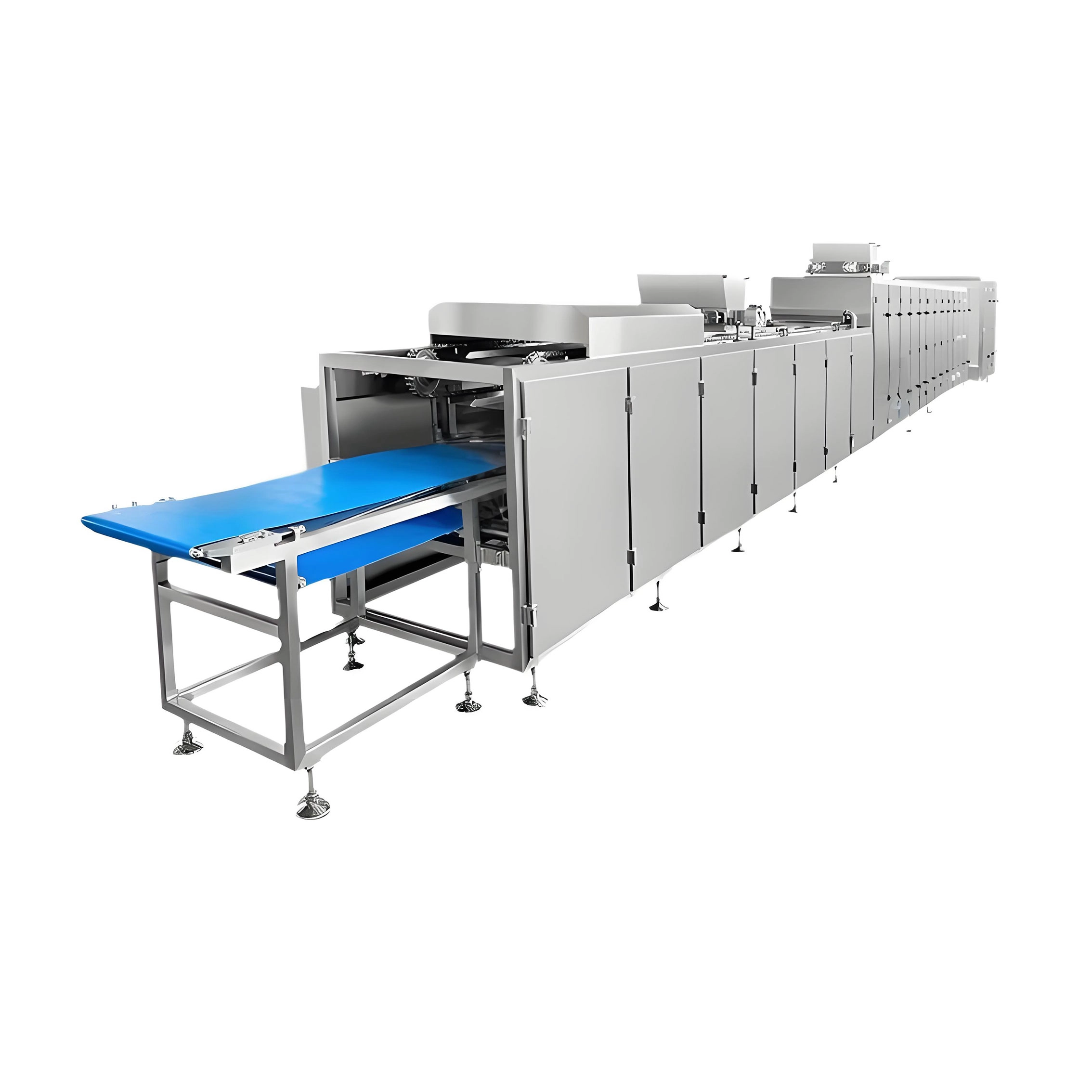
Q: How much water does a water cooling tunnel consume?
Water consumption varies by system size and product load. In pharmaceutical vial cooling, water consumption can range from 2-3 cubic meters per hour. Combined systems reduce water usage compared to pure water cooling by operating in dry mode during cooler periods.
Q: Can I retrofit a hybrid cooling system to an existing air cooling tunnel?
Some hybrid systems are designed for retrofit compatibility. A delugeable bare tube bundle can be retrofitted to existing dry-cooled systems with minor modifications, allowing operators to switch between dry and wet cooling modes based on ambient conditions.
Q: What is the typical payback period for upgrading to a more efficient cooling tunnel?
Payback depends on energy savings, water cost reductions, and product quality improvements. Water cooling can save approximately 16.42% in energy costs compared to alternative methods, while hybrid systems reduce both water and energy consumption. Most upgrades achieve payback within 2-4 years depending on operational scale.