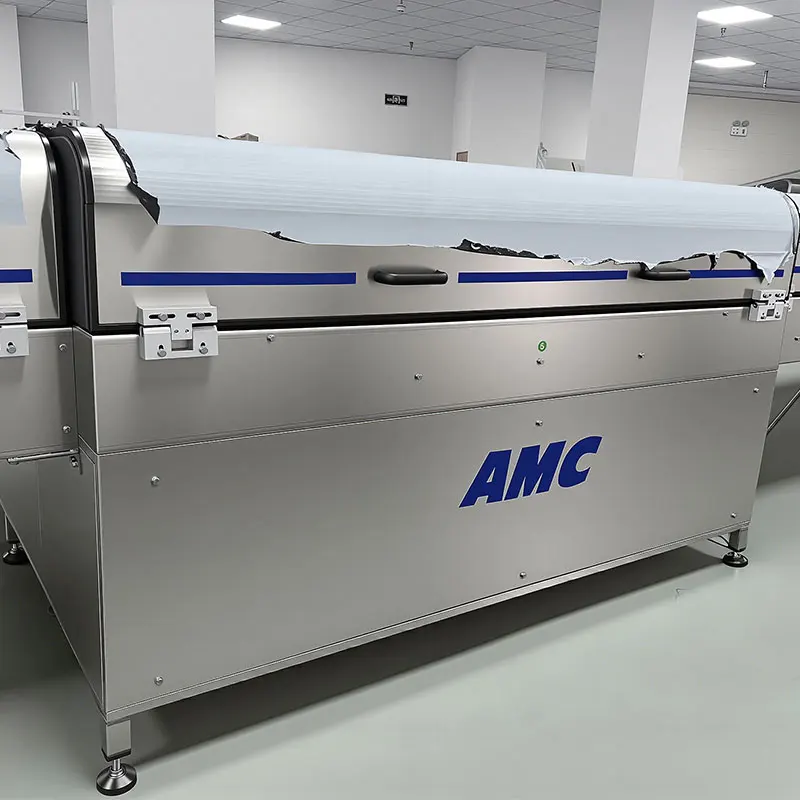












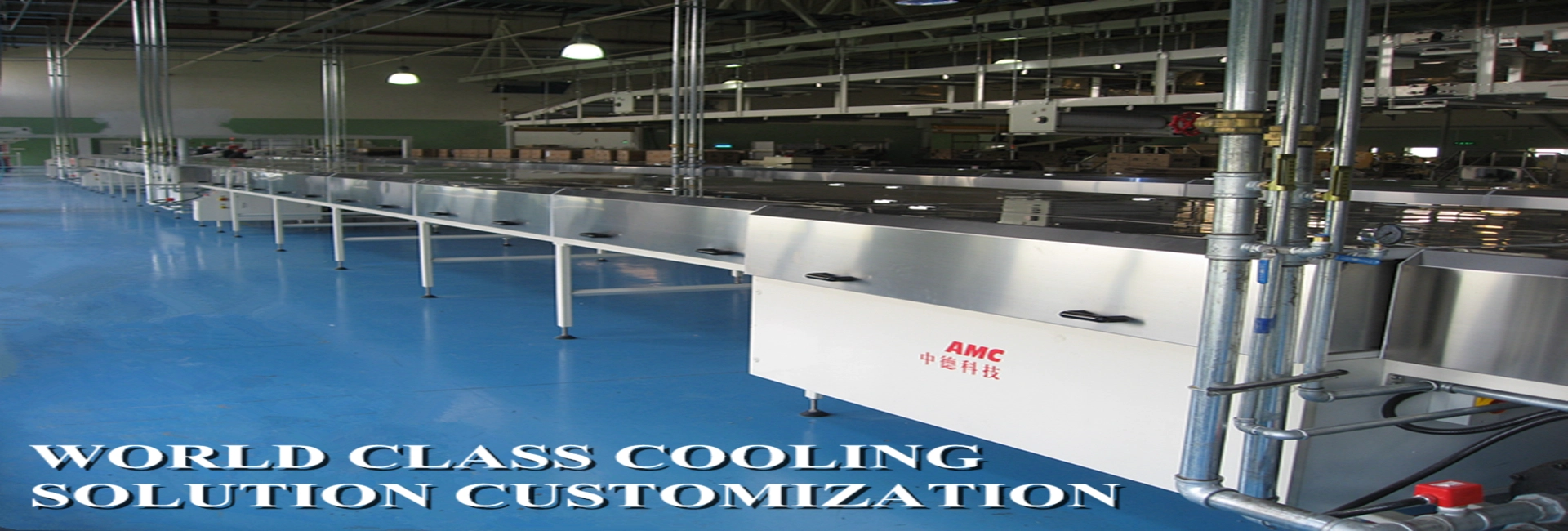
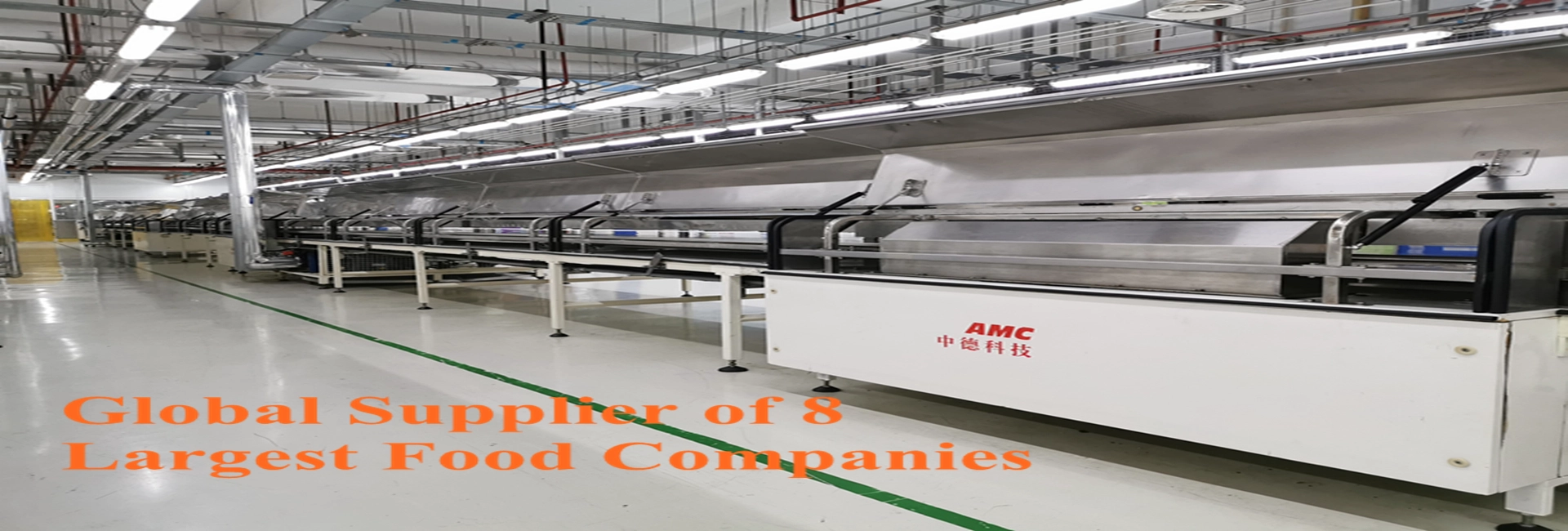
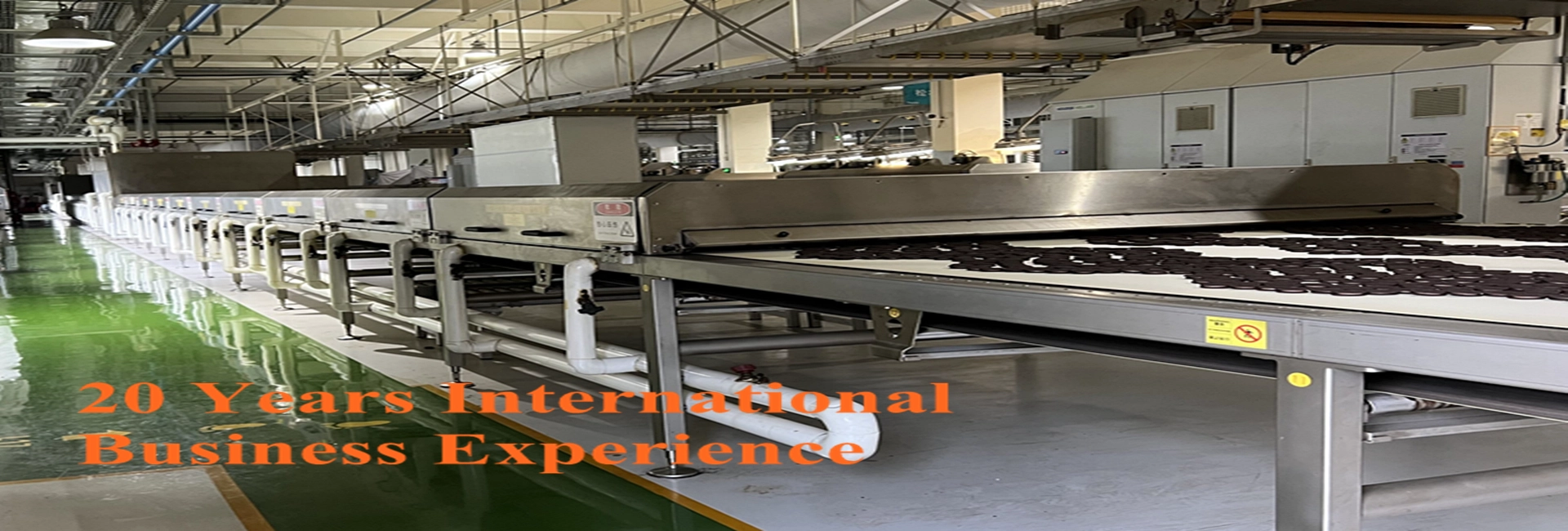
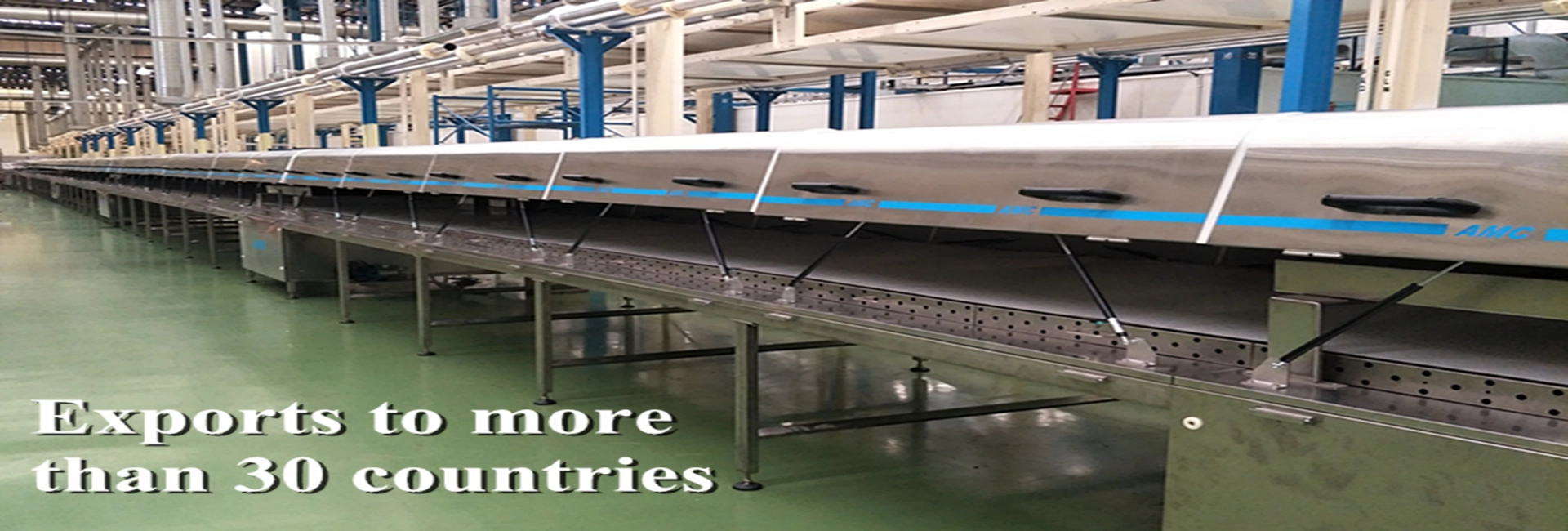

The Advantages of Air Cooling Tunnel
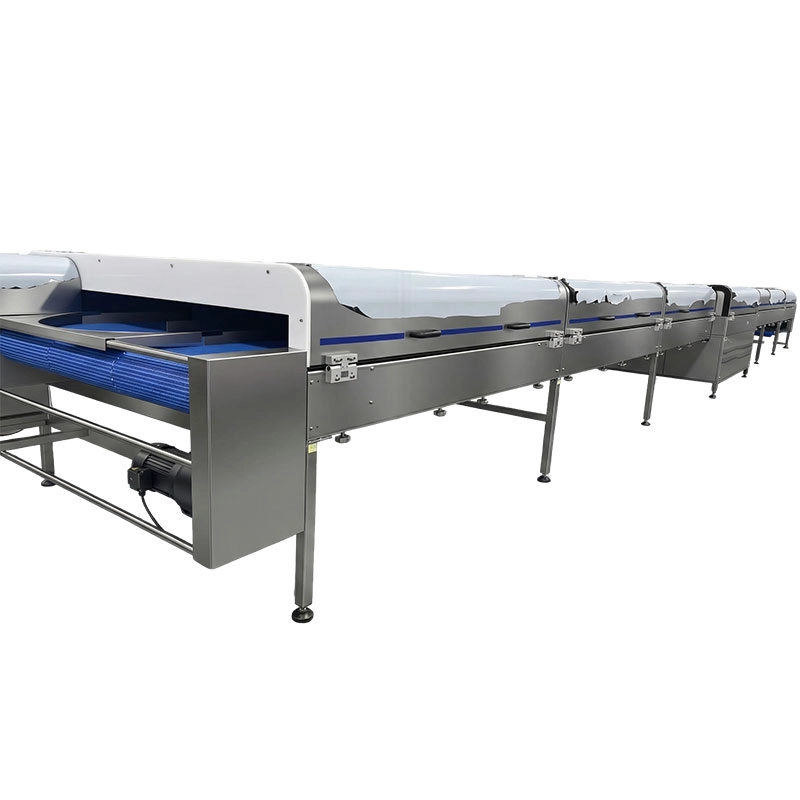
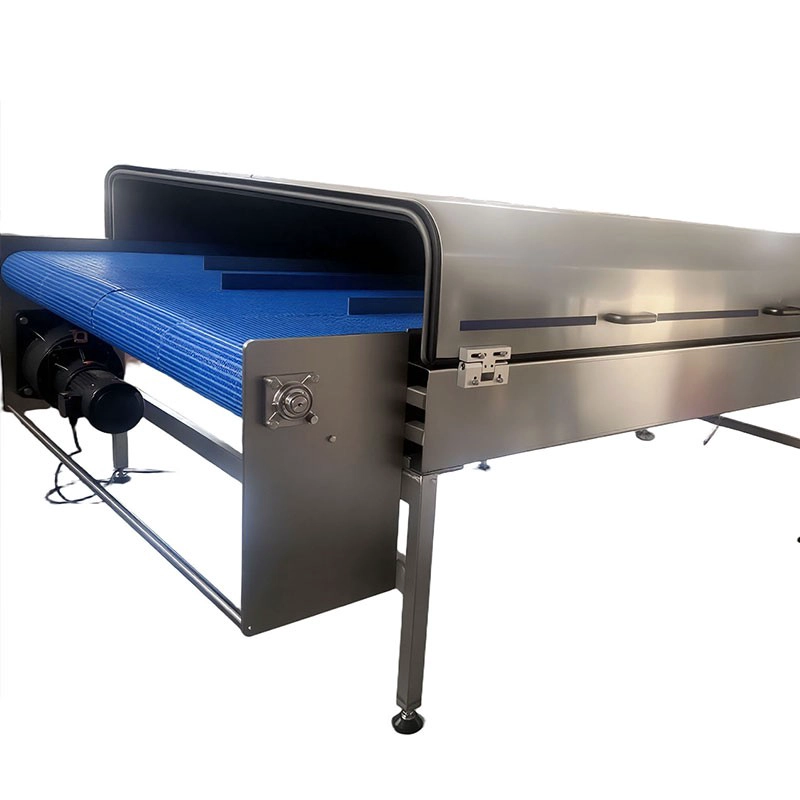
Air cooling tunnels use chilled air as the heat exchange medium. Blowers force ambient or refrigerated air through the tunnel, passing it over the products to absorb heat. The heated air is then drawn out from the opposite end.
This is the cleanest cooling method available. No water is introduced into the process, which eliminates the risk of bacterial cross-contamination and keeps products dry throughout the cooling process.
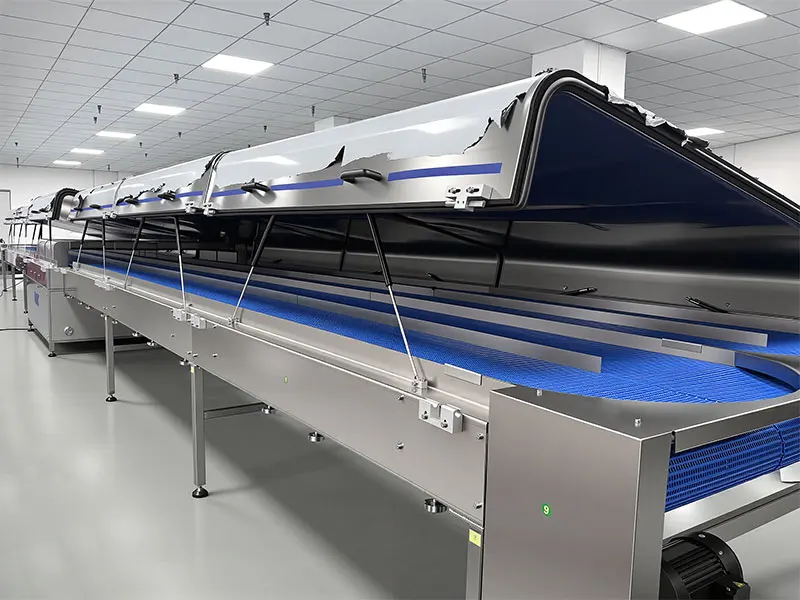
Advantages of Air Cooling Tunnel
No moisture introduced to the process. Products exit the tunnel completely dry, ready for immediate downstream processing such as labeling or packaging. No additional drying stage is required.
Low microbiological risk. Without water, there is no biofilm formation, no legionella risk, and no need for biocide treatment. Maintenance is limited to standard mechanical operations.
Gentle, controlled cooling. Air cooling allows for progressive temperature reduction, preventing thermal shock and internal stresses in products. This is particularly important for items with temperature-sensitive structures.
Dry working environment. The absence of water eliminates condensation, corrosion risk, and humid zones in the plant, improving equipment durability and overall working conditions.
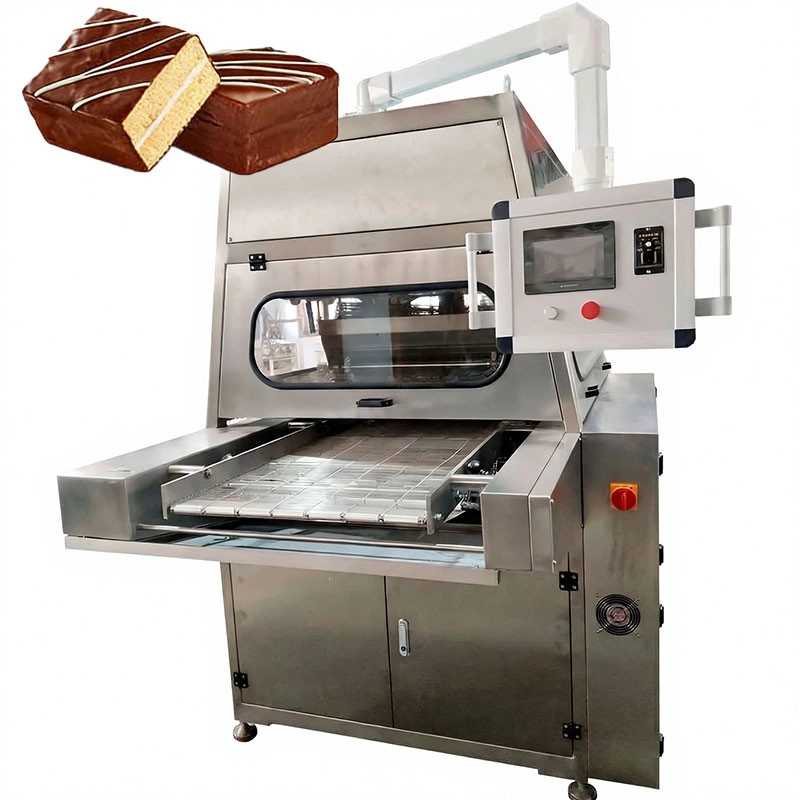
Suitable for water-sensitive products. Many confectionery, baked goods, and pharmaceutical products cannot tolerate moisture exposure during cooling.