












How Energy-Efficient Cooling Tunnels Reduce Operating Costs in Food Processing Plants
In today’s competitive food manufacturing landscape, energy costs represent one of the largest and most controllable operating expenses. For food processing plants running continuous production lines, the cooling stage—often overlooked—can be a significant drain on both energy and financial resources. Energy-efficient cooling tunnels are changing that equation, offering food manufacturers a clear path to lower operating costs, faster ROI, and more sustainable operations.
Many food processing facilities still rely on outdated cooling technologies—compressed air-based systems, steam tunnels, or conventional linear tunnels with multiple drives. These systems carry substantial hidden costs.
Compressed air systems are notoriously energy-intensive. Traditional cooling tunnels that rely on compressed air require regular maintenance and consume far more electricity than their modern counterparts. The energy input to chilling systems is substantial, and in many cases, pump power alone can exceed the fan power used in air blast cooling.
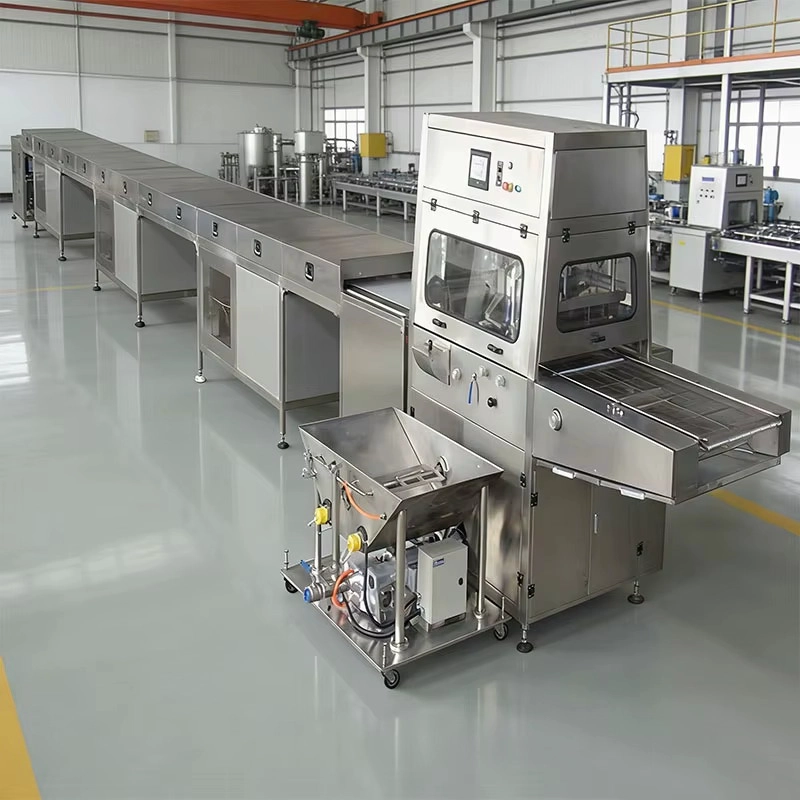
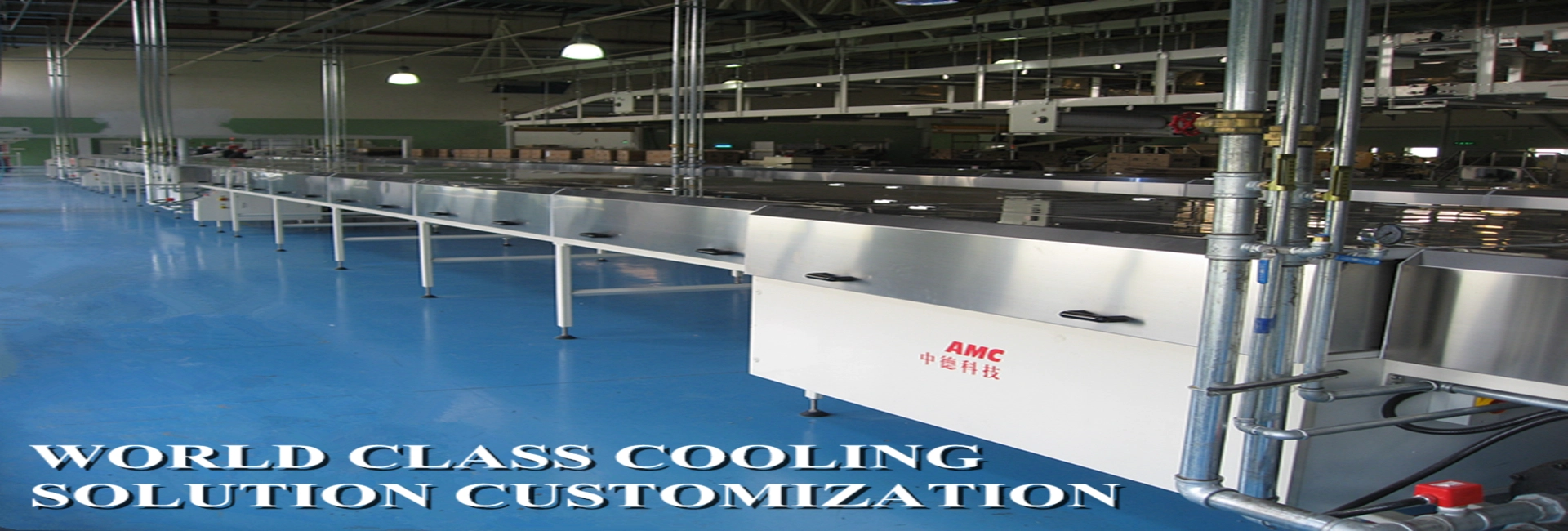
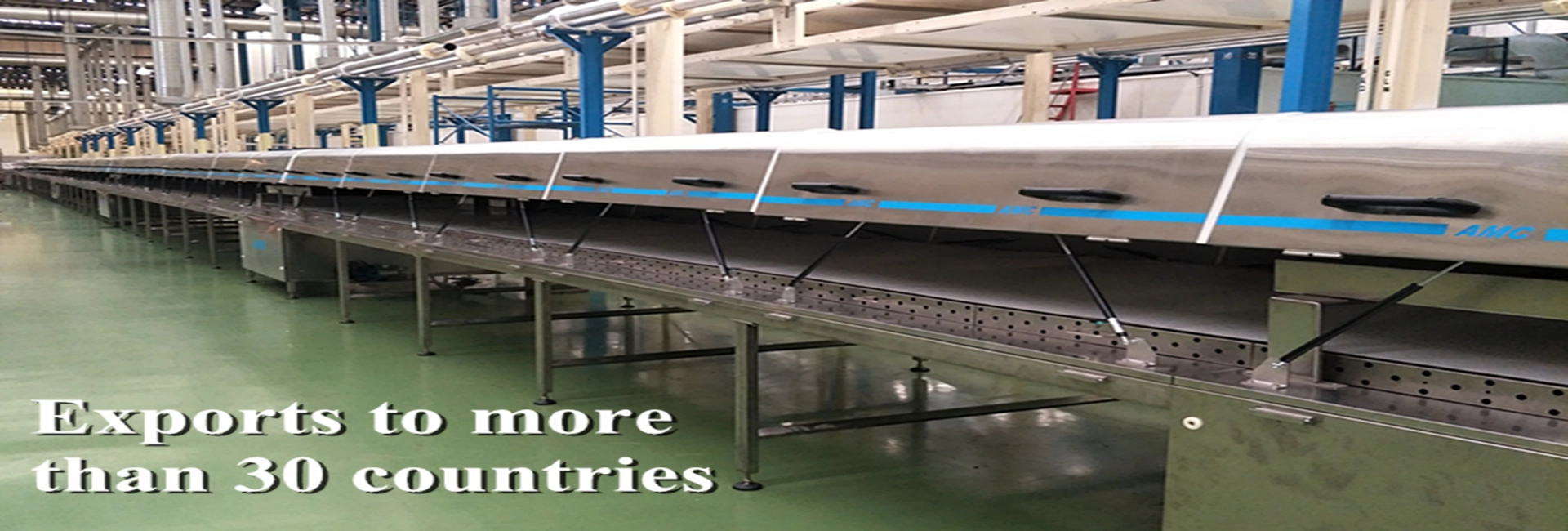
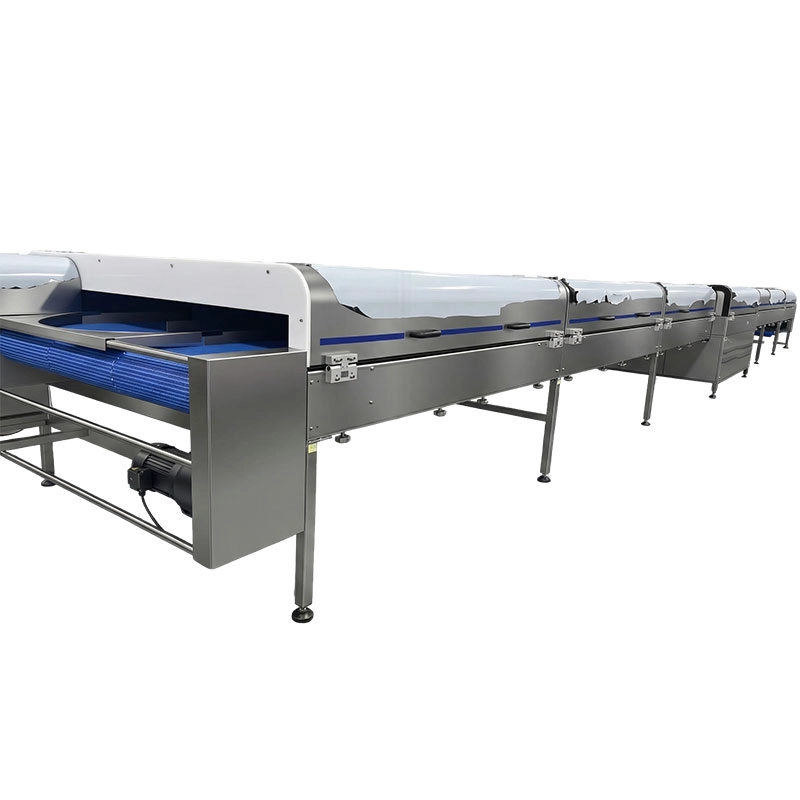
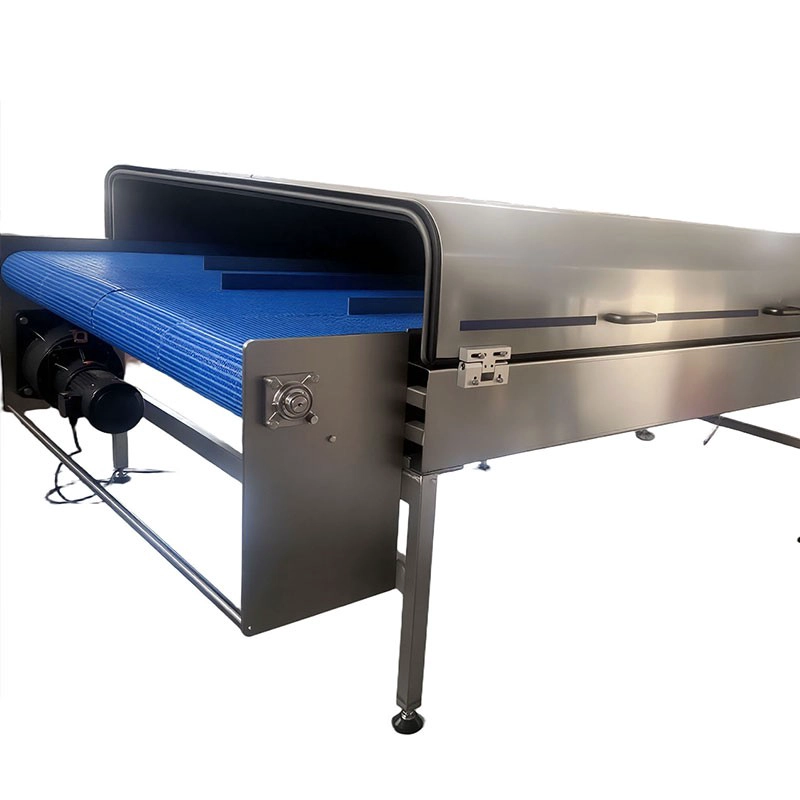
Linear cooling tunnels present another challenge. A typical linear cooling tunnel occupies the majority of space in the process hall, and power consumption is far higher due to multiple drives, leading to higher operational and maintenance costs.
Steam-based systems add yet another layer of expense. When compared to a steam tunnel, an electric tunnel has a simple payback period of less than 0.4 years—a compelling demonstration of the economic case for upgrading.
The bottom line: outdated cooling technology doesn't just cost more to run—it costs significantly more to maintain and operates at a fraction of the efficiency of modern solutions.