












Cooling Tunnel vs Blast Chiller: Which Cooling Solution Is Right for Your Food Production Line?
Choosing the right cooling equipment for your food production line is one of the most consequential decisions you'll make as a food processor. Get it wrong, and you'll face bottlenecks, quality issues, and unnecessary operating costs. Get it right, and you'll unlock higher throughput, better product quality, and a faster return on investment.
Two of the most common cooling solutions on the market—cooling tunnels and blast chillers—serve fundamentally different purposes. While both remove heat from food products, they operate on different principles, serve different production scales, and deliver different outcomes.
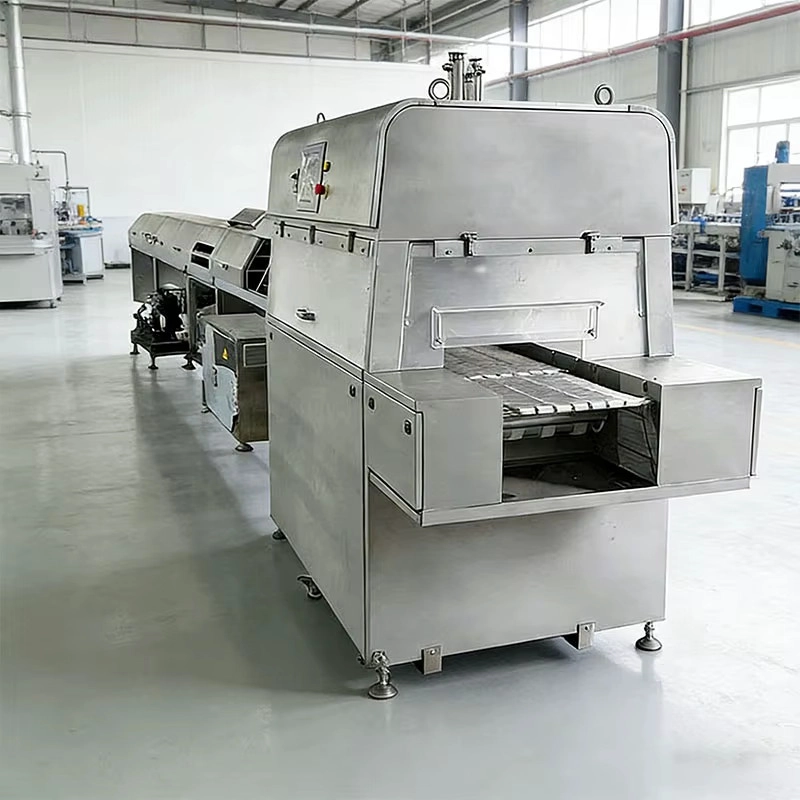
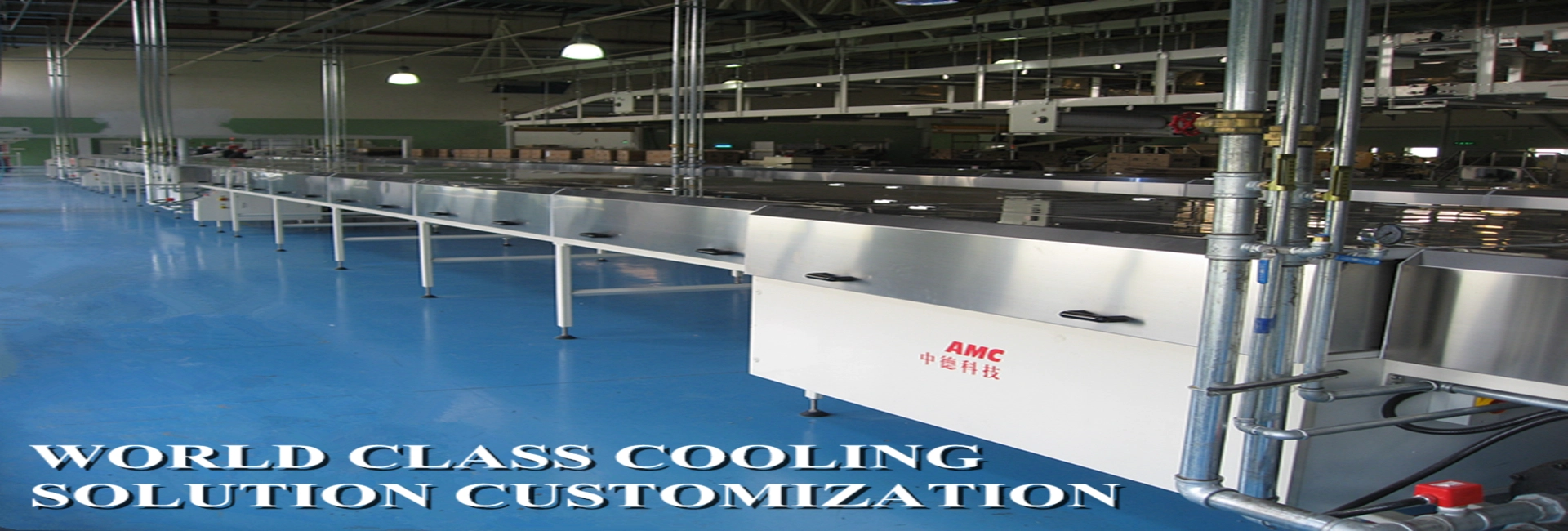
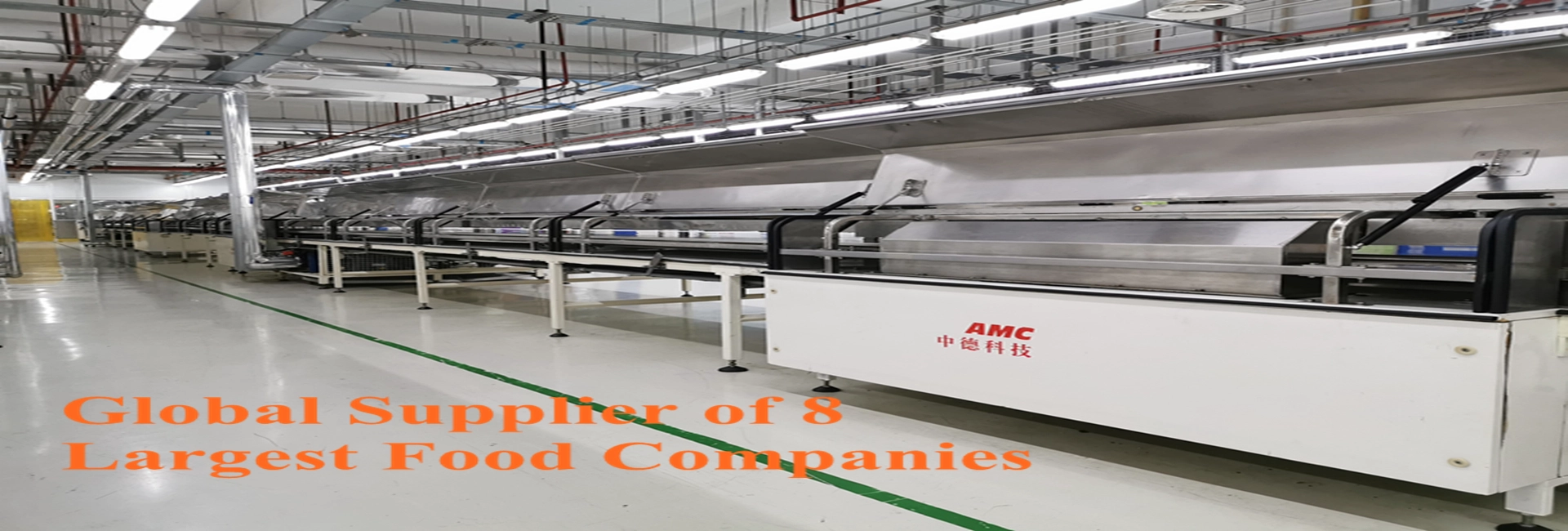
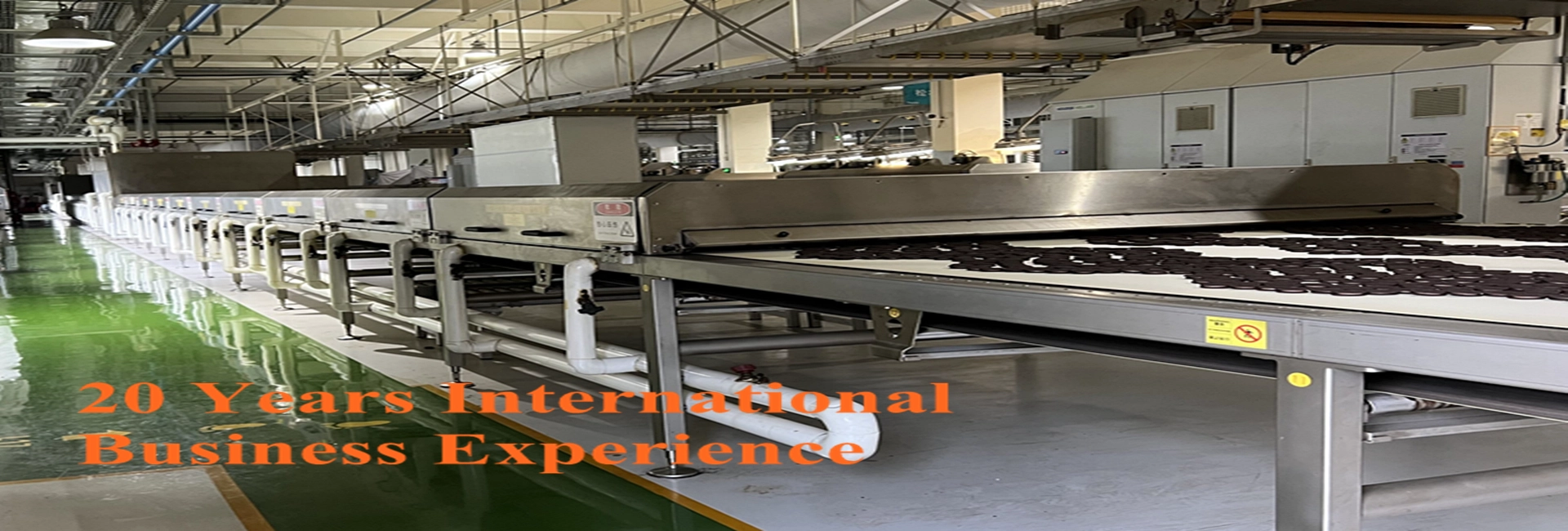
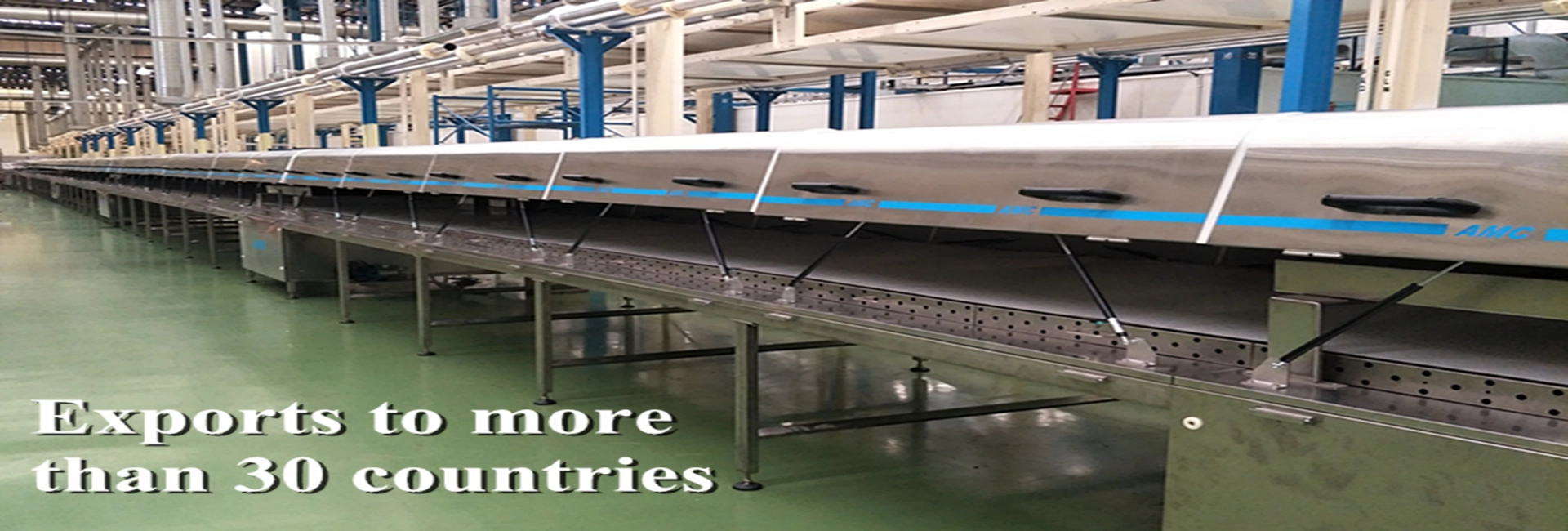
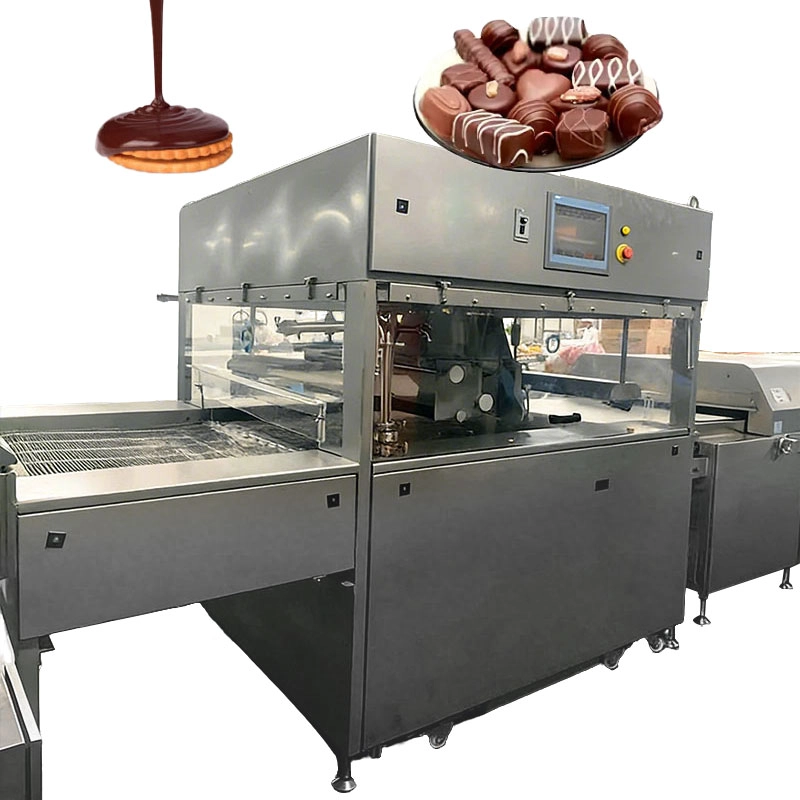
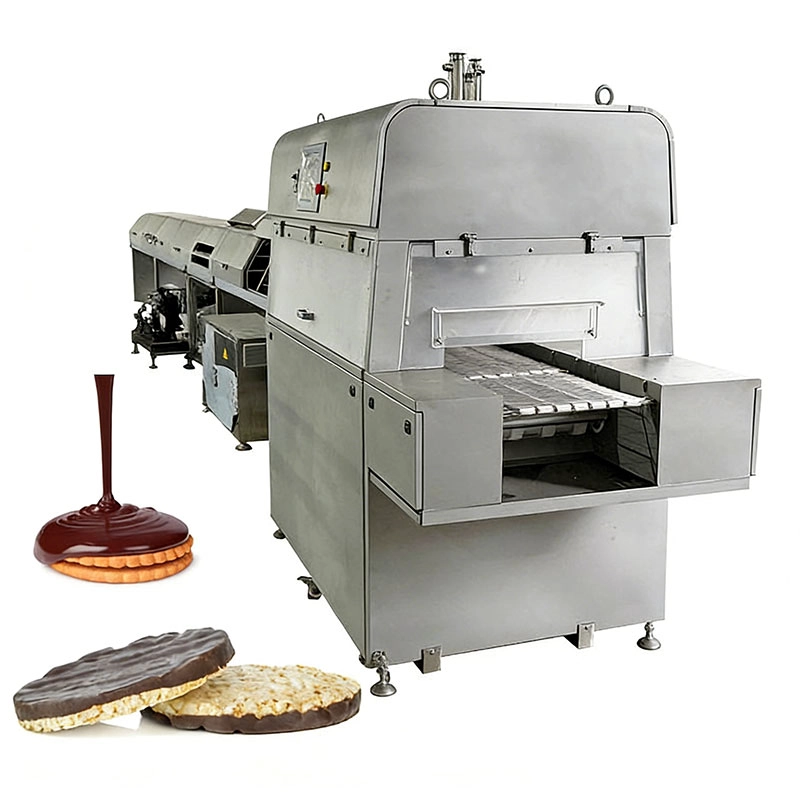
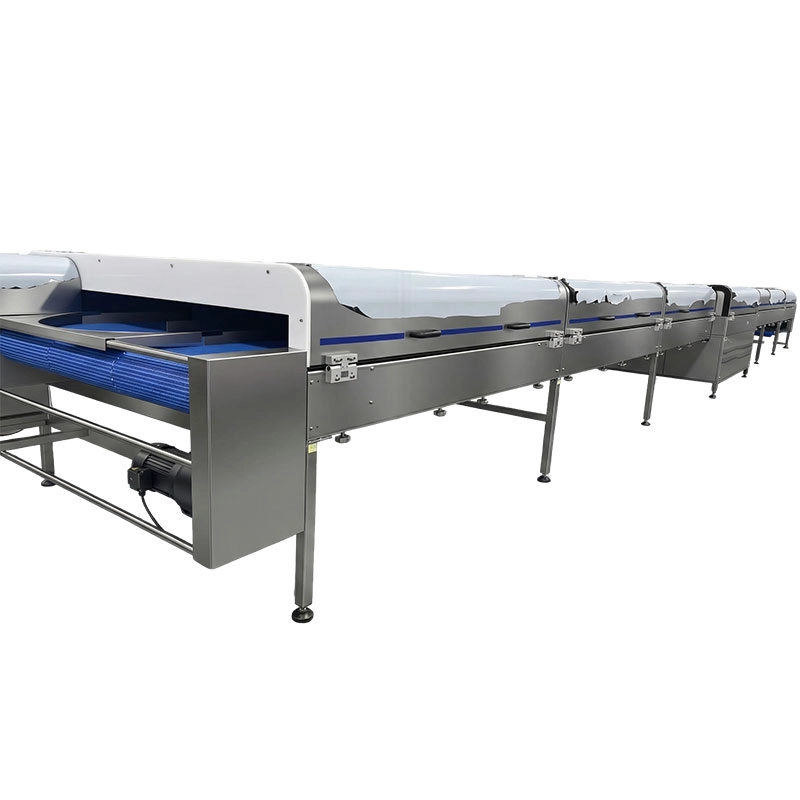
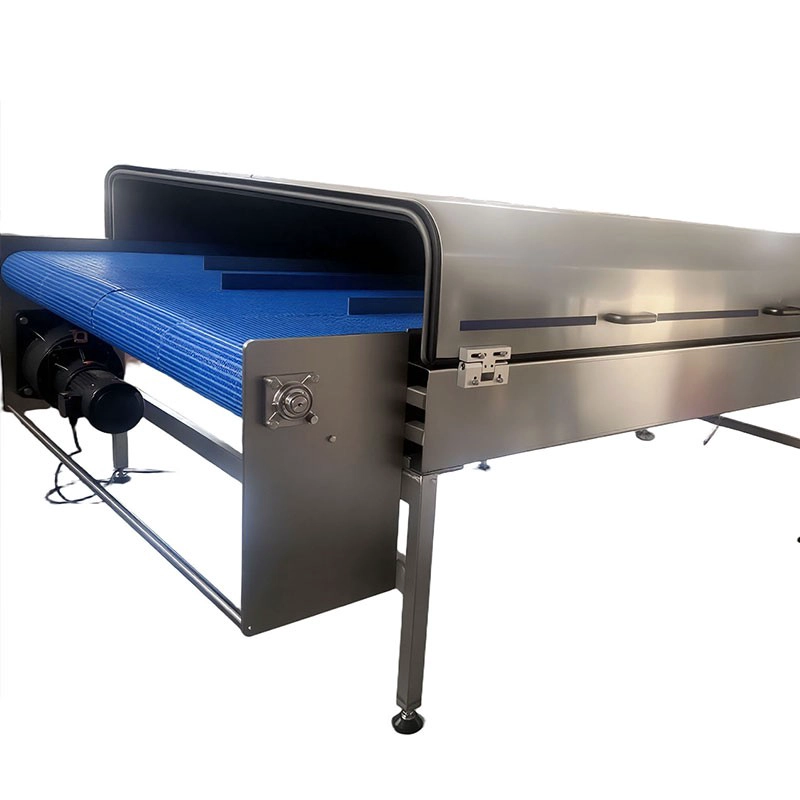
A cooling tunnel is a continuous, conveyor-based cooling system designed for high-volume, uninterrupted food production. Products move along a conveyor belt through an insulated tunnel where cold air—or in some cases, ambient or outside air—is circulated to remove heat. The cooling process is continuous: product enters one end and exits the other already cooled to the desired temperature. The cooling process is continuous: product enters one end and exits the other already cooled to the desired temperature.
A blast chiller is a batch cooling system that uses high-velocity cold air to rapidly reduce the temperature of food. Unlike a cooling tunnel's continuous flow, a blast chiller operates in cycles: you load a batch of product into the unit, run the cooling cycle, and unload it when the target temperature is reached.
Blast chillers are designed to pull food from cooking temperature—typically 160°F (71°C) or higher—down to refrigeration temperature (around 38°F / 3°C) in 90 minutes or less. This rapid cooling minimizes the time food spends in the "danger zone" (between 41°F and 135°F / 5°C and 57°C), where bacteria multiply most rapidly.
Choose a Cooling Tunnel If:
Your production runs continuously (8+ hours per day);
You need to cool high volumes (1,000+ lbs per hour);
Your facility has the linear floor space;
You're producing baked goods, confectionery, snacks, or similar products;
You want to minimize labor and maximize automation;
You have a dedicated production line that won't frequently change products.
The choice between a cooling tunnel and a blast chiller ultimately comes down to your production model, volume, facility constraints, and quality requirements.
Cooling tunnels are the workhorses of high-volume, continuous food production. They deliver consistent, uniform cooling with minimal labor, making them indispensable for bakeries, confectionery producers, and snack manufacturers running around the clock.
Blast chillers offer flexibility, compact footprint, and built-in food safety documentation. They're the go-to choice for foodservice operations, central kitchens, and food processors with batch production or variable product mixes.
Neither solution is inherently "better"—each serves a distinct purpose. The right choice is the one that aligns with your production reality.