











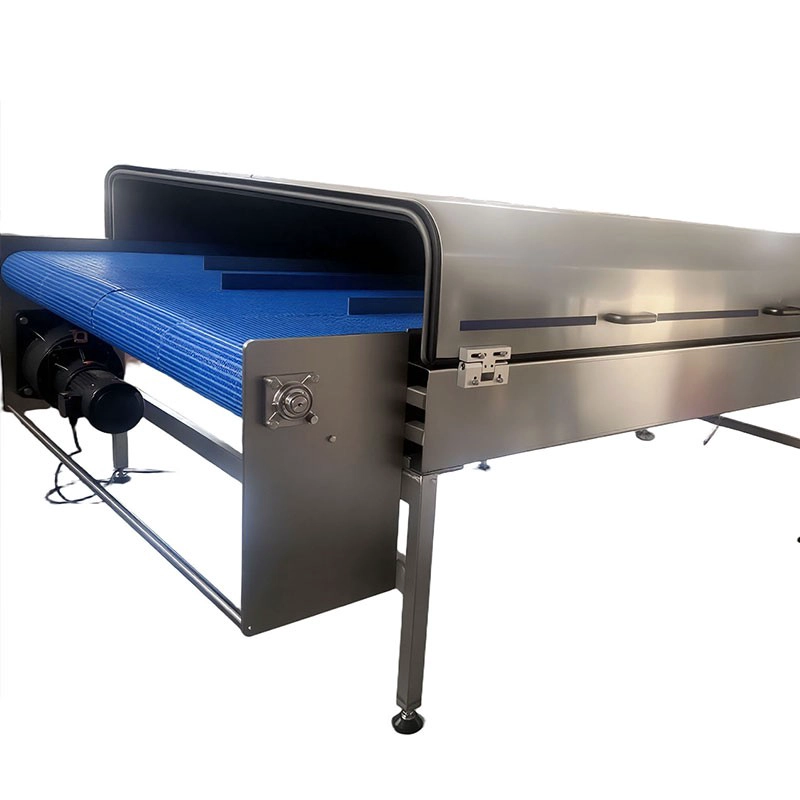
Cooling Tunnel Maintenance Guide: Cleaning Schedules, Common Issues, and Troubleshooting Tips
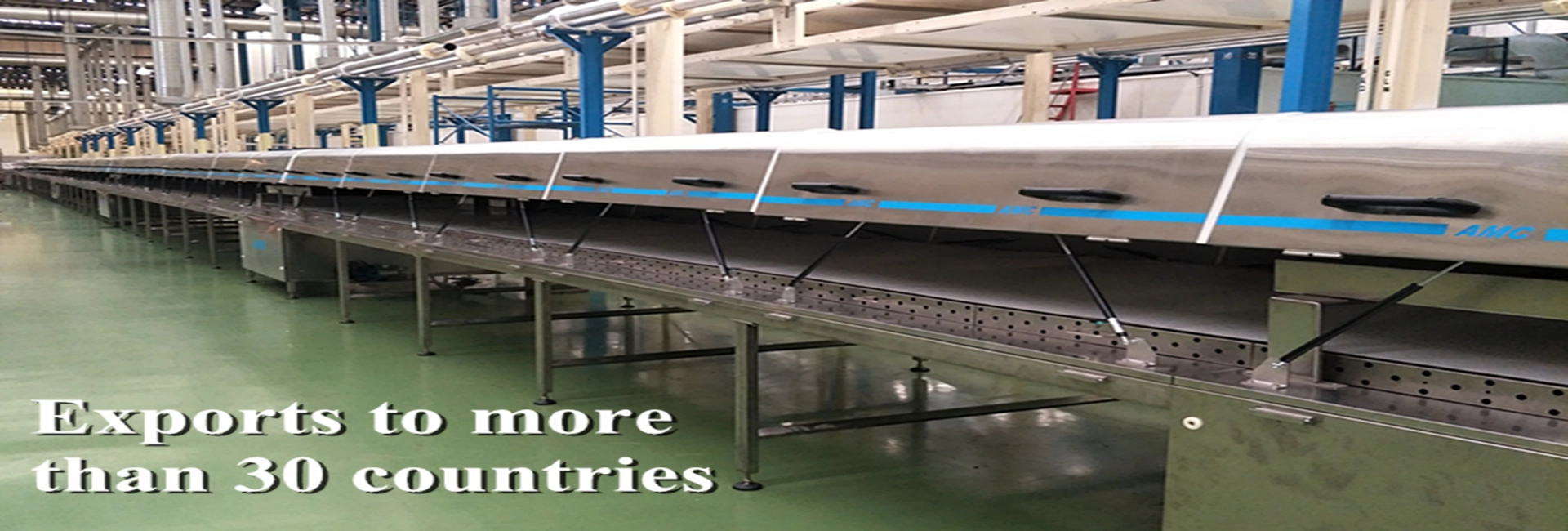
Cooling tunnels operate in challenging conditions. Temperatures inside the tunnel are often below 10°C, which can lead to condensation on cold surfaces. High moisture levels create ideal conditions for mould and bacterial growth, presenting a serious HACCP risk. Add to this the constant presence of food residues, cleaning chemicals, and mechanical wear, and you have an environment that demands disciplined, systematic maintenance. Add to this the constant presence of food residues, cleaning chemicals, and mechanical wear, and you have an environment that demands disciplined, systematic maintenance.
A well-maintained cooling tunnel delivers:
Consistent product quality – uniform cooling means uniform texture, appearance, and shelf life
Lower operating costs – clean coils and proper lubrication reduce energy consumption
Fewer unplanned shutdowns – preventive maintenance catches problems before they cause failures
FDA/HACCP compliance – documented cleaning and maintenance procedures are essential for food safety audits
Preventive maintenance involves performing scheduled maintenance tasks to prevent unexpected equipment failures. By setting up routine maintenance checks, cleaning schedules, and calibration sessions, technicians can significantly reduce the likelihood of malfunction.
Cooling tunnel maintenance is not optional—it is essential for product quality, food safety, and operational efficiency. A disciplined approach that combines daily cleaning, weekly inspections, monthly deep cleaning, and proactive troubleshooting will:
-
Extend equipment life
-
Reduce unplanned downtime
-
Lower energy costs
-
Ensure consistent product quality
-
Keep your facility audit-ready
Start today: Review your current maintenance schedule. Identify gaps. Implement the cleaning frequencies and troubleshooting procedures outlined in this guide. And remember—the best repair is the one you never have to make.