











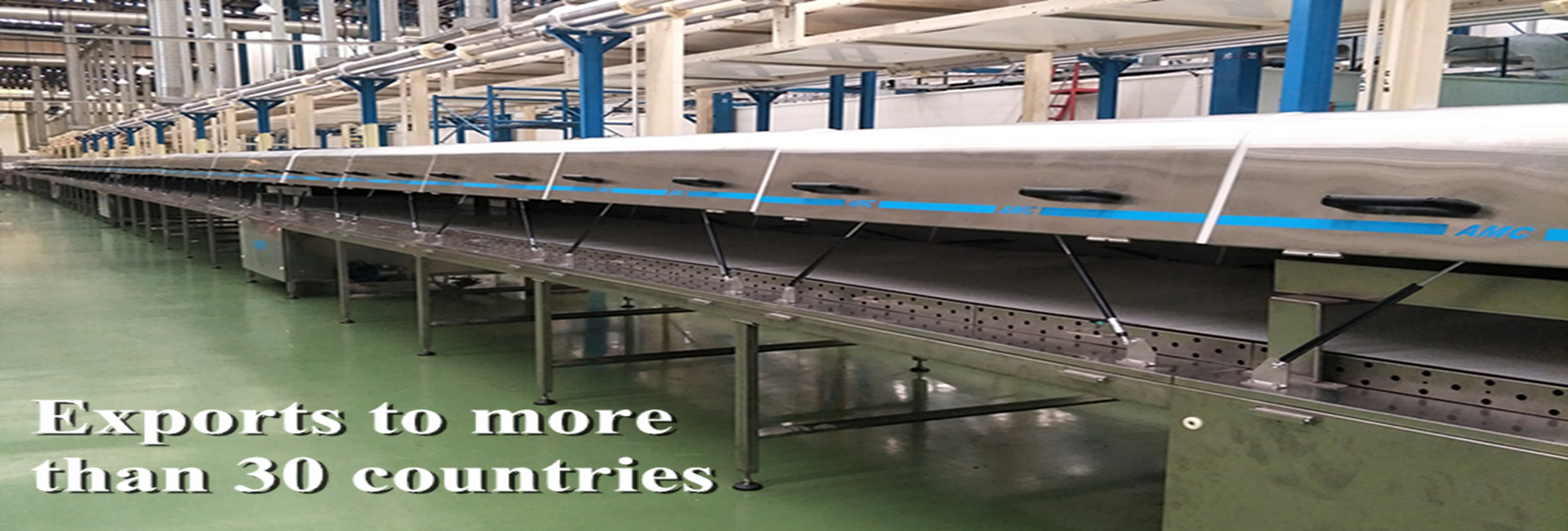
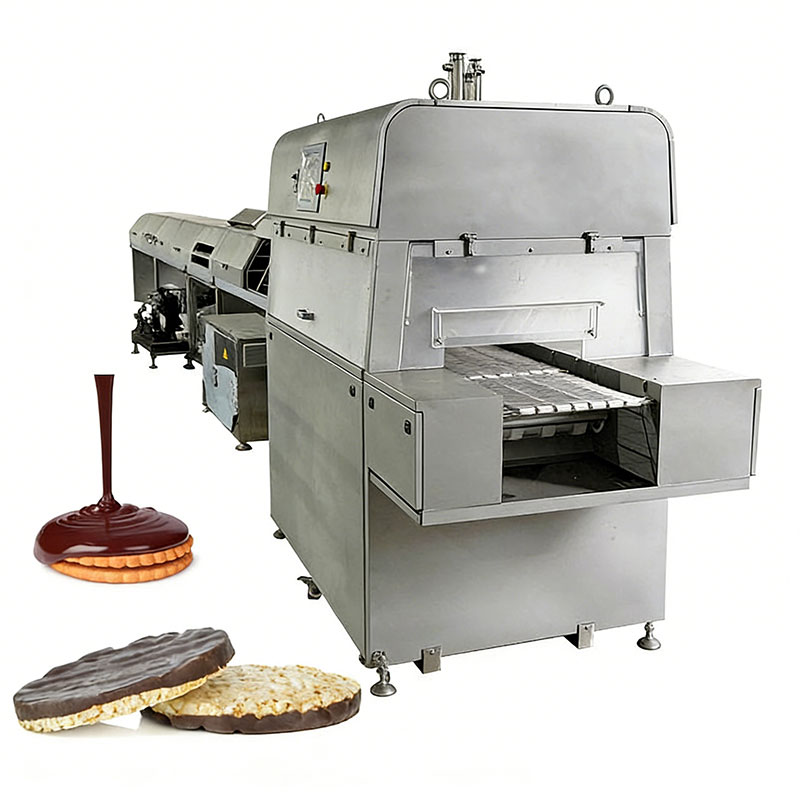
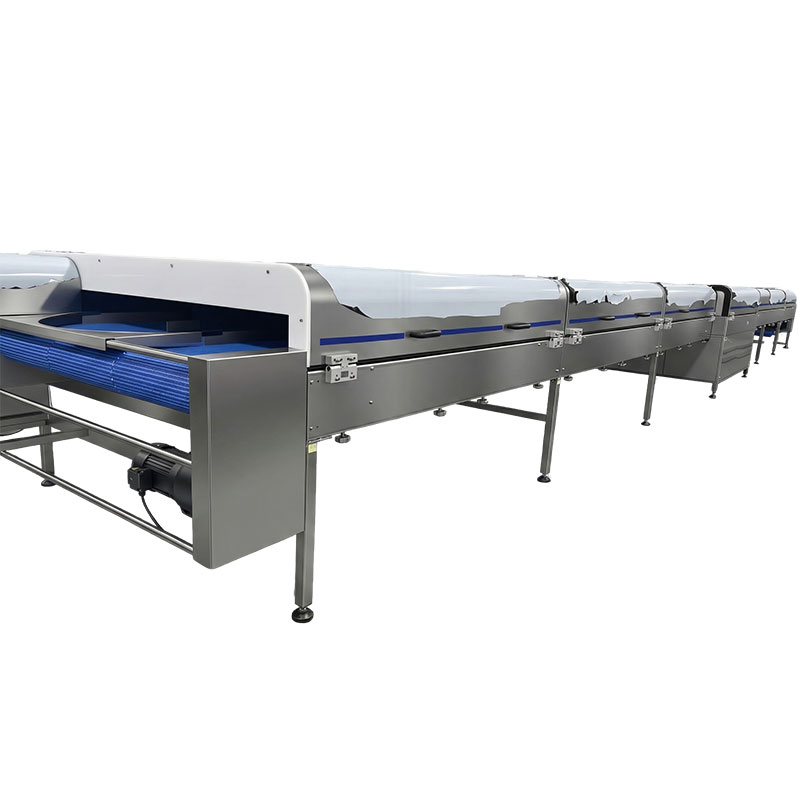
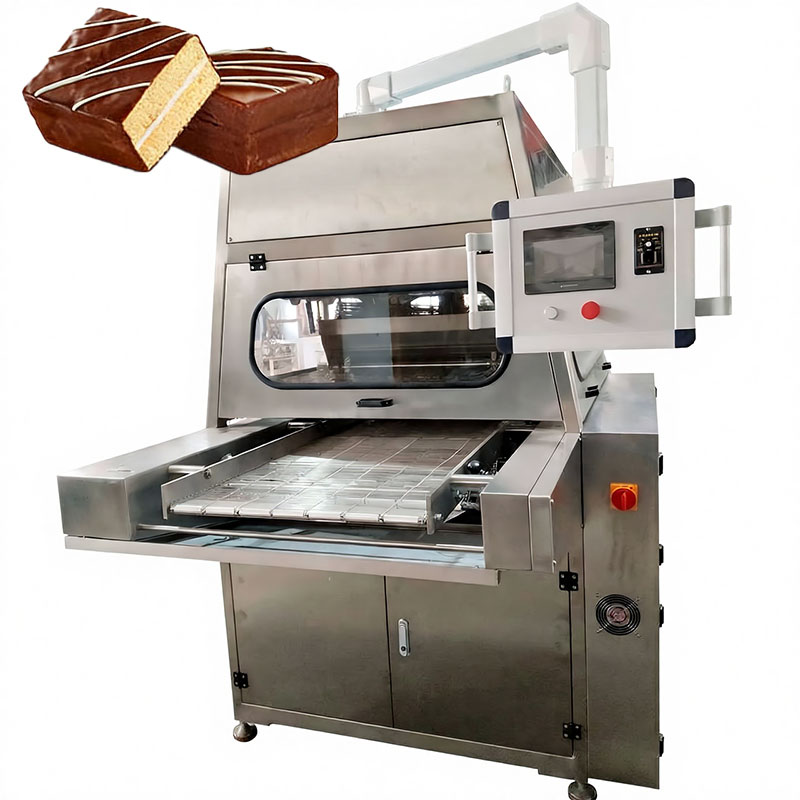
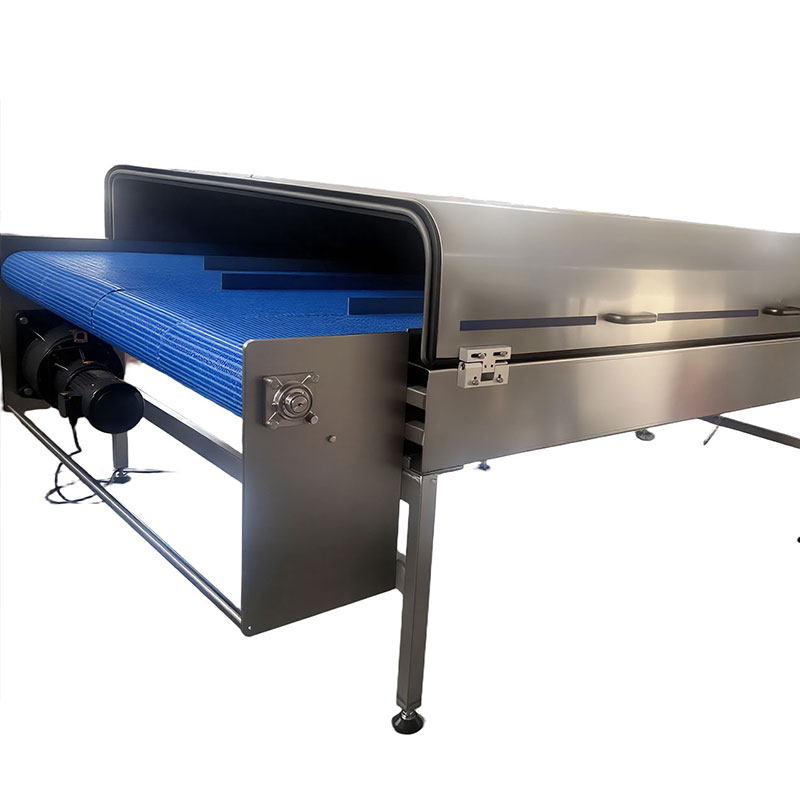
The Causes,and Solutions of food cooling tunnels
What Causes Condensation in Cooling Tunnels?
Condensation occurs when warm, humid air comes into contact with a surface that is below the dew point temperature. The cooling tunnel is a perfect environment for this phenomenon: products enter warm and moist, cold air circulates through the tunnel, and surfaces like walls, coils, and the product itself can drop well below the dew point of the surrounding air.
Standard refrigeration systems cool the air but do not remove enough moisture. As air cools, its relative humidity rises, approaching 100% saturation. When that saturated air contacts cold surfaces, condensation forms. This is why cooling tunnels with basic refrigeration frequently struggle with condensation—they're creating cold surfaces in an environment where humidity hasn't been adequately controlled.
This is why cooling tunnels with basic refrigeration frequently struggle with condensation—they're creating cold surfaces in an environment where humidity hasn't been adequately controlled.
The Impact of Condensation—Why It Matters
Condensation in a cooling tunnel isn't just a minor annoyance. It creates a cascade of problems that affect product quality, food safety, production efficiency, and operational costs.
Sugar Bloom in Chocolate and Confectionery — When moisture condenses on chocolate, it dissolves surface sugar. As the chocolate warms back to room temperature, the water evaporates and leaves behind a rough grey or white film—sugar bloom. This happens on perfectly tempered chocolate that was flawless when it entered the tunnel. Sugar bloom renders the product visually unacceptable and results in rejection. In the chocolate industry, reject rates exceeding 1% from sugar bloom cause significant annual production losses.In the chocolate industry, reject rates exceeding 1% from sugar bloom cause significant annual production losses.
Product Sticking and Discoloration — Condensation causes products to stick to conveyor belts and to each other. It can also cause discoloration, crystallization issues, and texture defects.It can also cause discoloration, crystallization issues, and texture defects.
Moisture Re-absorption — If the relative humidity of the cooling air exceeds the equilibrium moisture content of the product, the product re-absorbs moisture. This can soften products, making them less desirable and reducing shelf life.
Packaging Problems — Condensation on the product surface at the tunnel exit can cause problems during packaging, including moisture inside sealed packages that leads to mildew.
Solutions for Condensation Problems:
1. Desiccant Dehumidification
2. Staged Cooling with a Proper Cooling Curve
3. Proper Insulation and Seals
4. Real-Time Humidity Monitoring and Control
5. Drainage Design
6. Exit Zone Temperature Management
7. Controlled Belt Speed and Tunnel Length