

















Why the Curve Matters More Than the Temperature of Cooling Tunnel
Cocoa butter crystallization is not a binary process — it is a sequence of polymorphic transformations. The initial appearance of the γ crystal (poor stability, melting point 16–18°C) is followed by the α crystalline form (melting point 21–24°C), and eventually the stable βV form (melting point 27–29°C).
Each transformation requires specific temperature conditions and time. A single cold zone rushes the process, trapping unstable crystals that later transform and cause bloom. Staged cooling guides the chocolate through each phase at the right rate.
Even a 1–2°C variation across zones can significantly affect crystallization uniformity. This is why multi-zone tunnels are essential — they provide the precision that single-zone tunnels cannot.
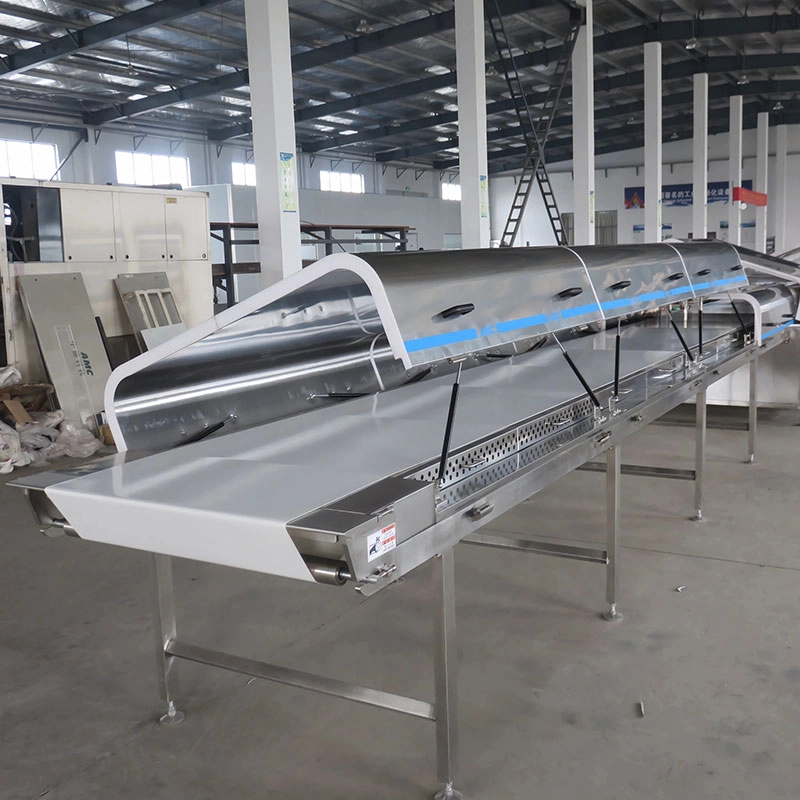
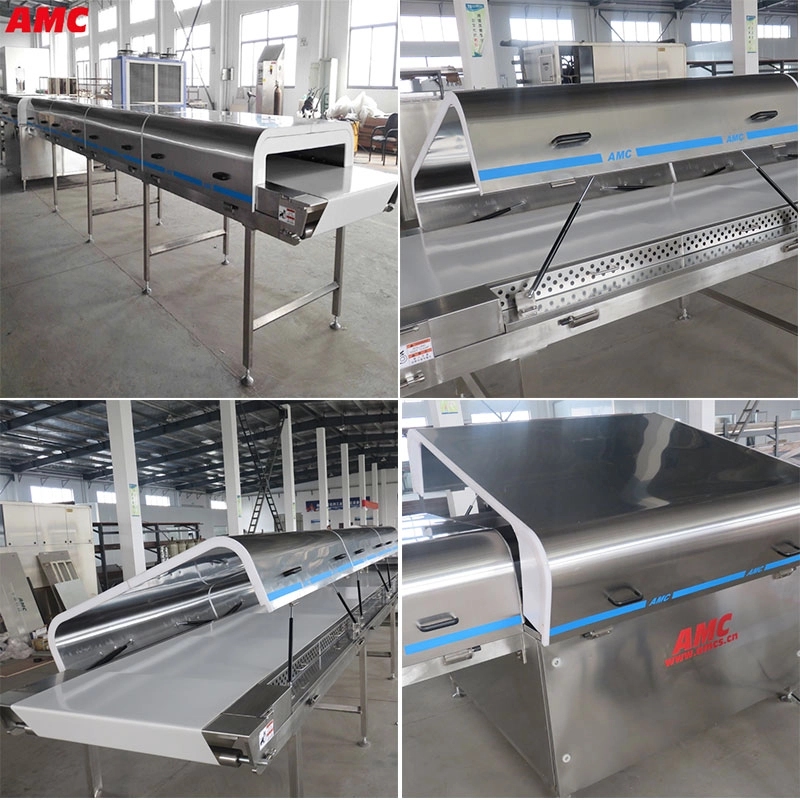
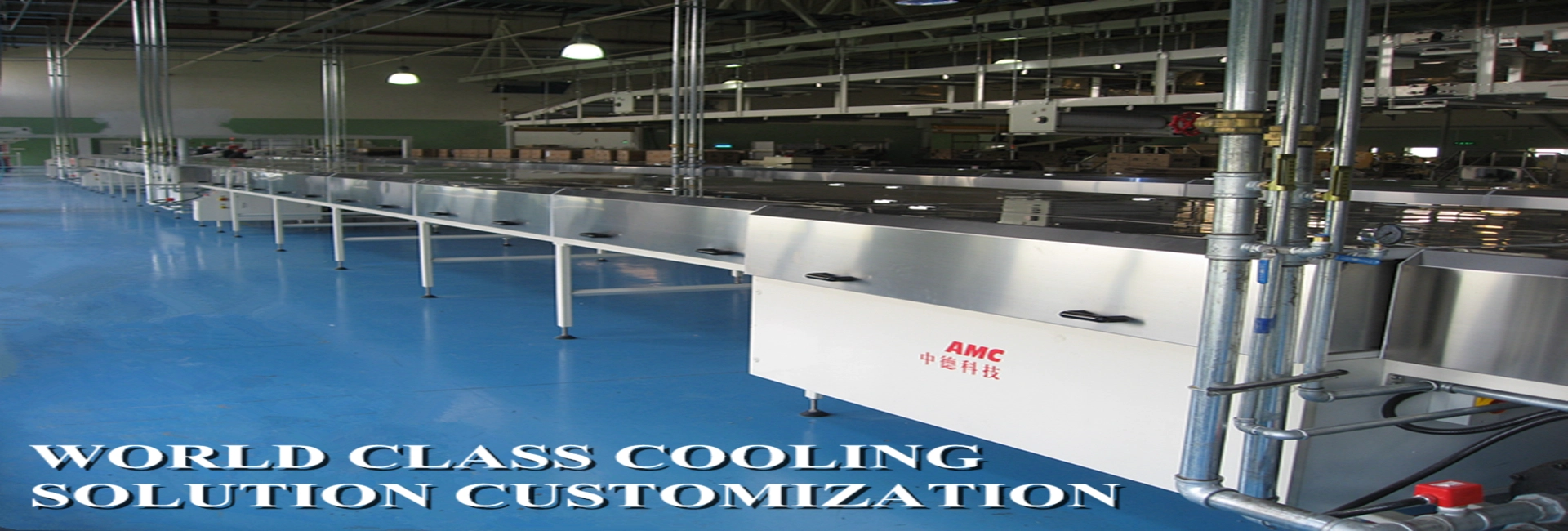
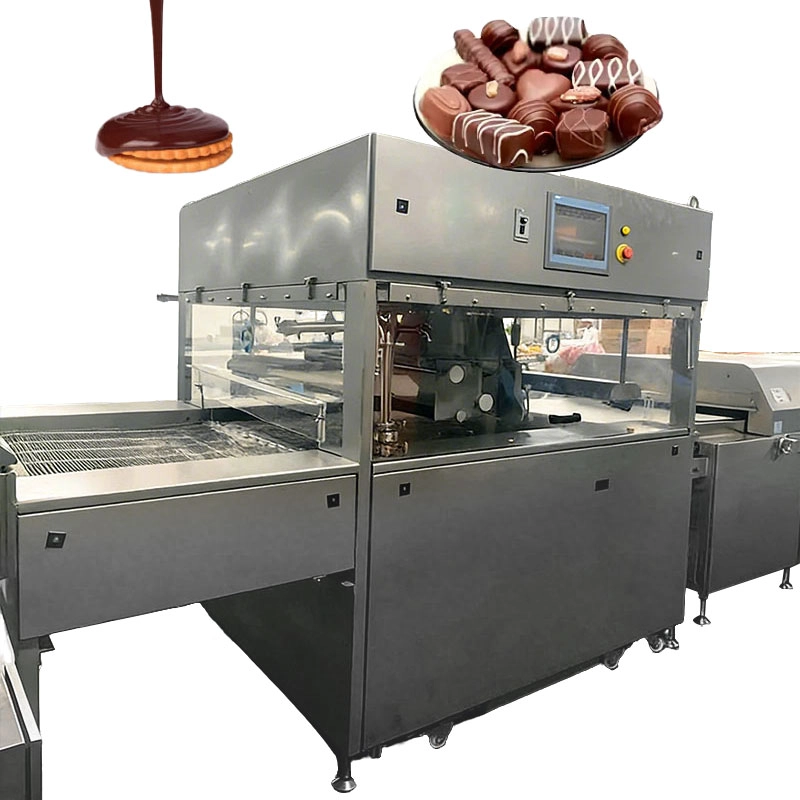
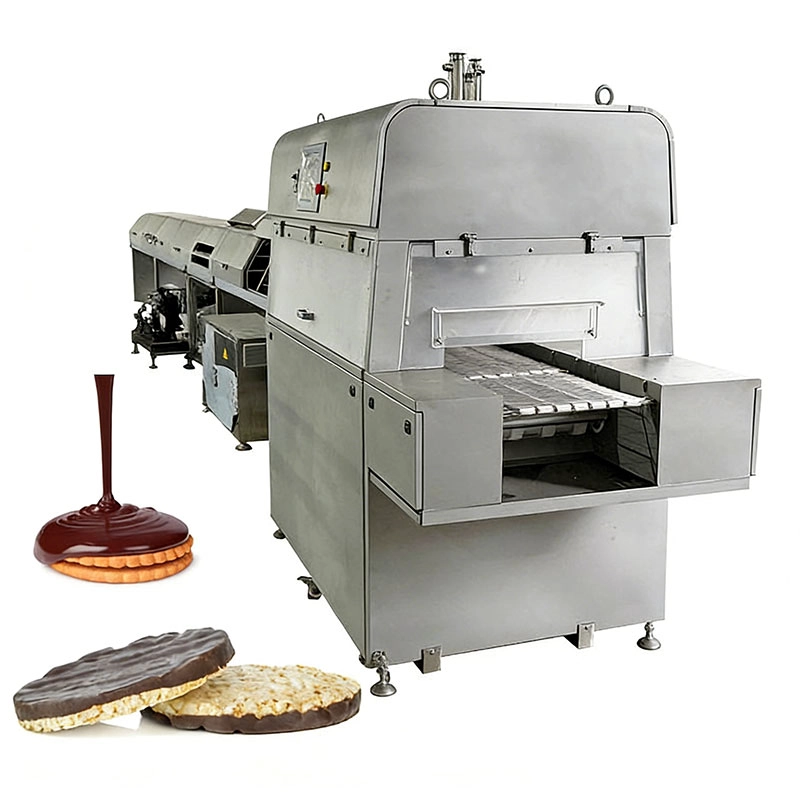
Multi-zone cooling tunnels provide staged temperature reduction matching chocolate crystallization requirements. Typical industrial installations incorporate 3 to 6 distinct cooling zones with independent temperature and airflow control. Multi-zone type tunnels are the best for chocolate and compound coatings as they allow more controlled conditions for optimal cooling and crystal formation.
The ideal cooling rate for tempered chocolate is gentle and controlled. Traditional chocolate processing typically involves a slow cooling (<2°C/min) after the tempering stage.
Too fast (>5°C/min): Thermal shock, fat bloom, unstable crystals, cracking
Too slow (<0.5°C/min): Undesirable crystal growth, soft texture
Just right (graduated curve): Perfect Form V crystallization, gloss, snap
The onset temperature at which crystallization begins shifts to the high-temperature side by controlling the cooling rate from 5 to 0.5°C/min. The temperature interval between the onset and the peak temperature at which crystal growth is almost complete decreases as the cooling rate is slowed.