











- Browse Categories
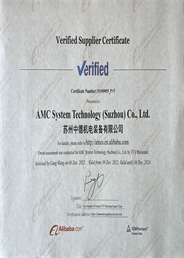
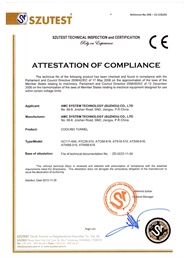
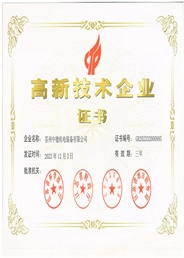
- Certifications
-
- Subscribe
-
Get new product information
- Latest news
-
-
How Water Cooling Works?
-
The Limitations of Air Cooling Tunnel
-
The Advantages of Air Cooling Tunnel
-
How Cooling Tunnels Work?
-
Why Staged Cooling Beats a Single Cold Blast by a Factor of Ten Thousand?
-
Implementation Checklist of Cooling Tunnel
-
Why the Curve Matters More Than the Temperature of Cooling Tunnel
-
The Staged Cooling Solution of Cooling Tunnel
-
What Happens Inside a One-Zone Cooling Tunnel
-
Cooling Tunnel Common Selection Mistakes to Avoid
-
- Hot Products
- Contact Us
-
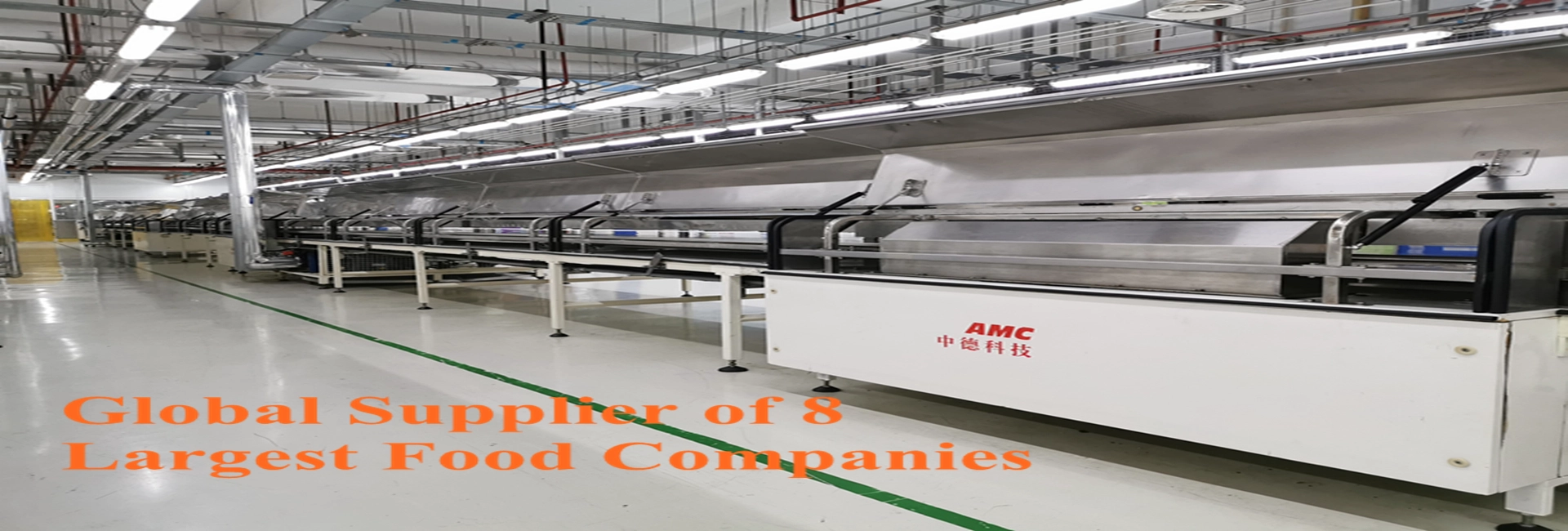
Globe strategic supplier of multinational companies.
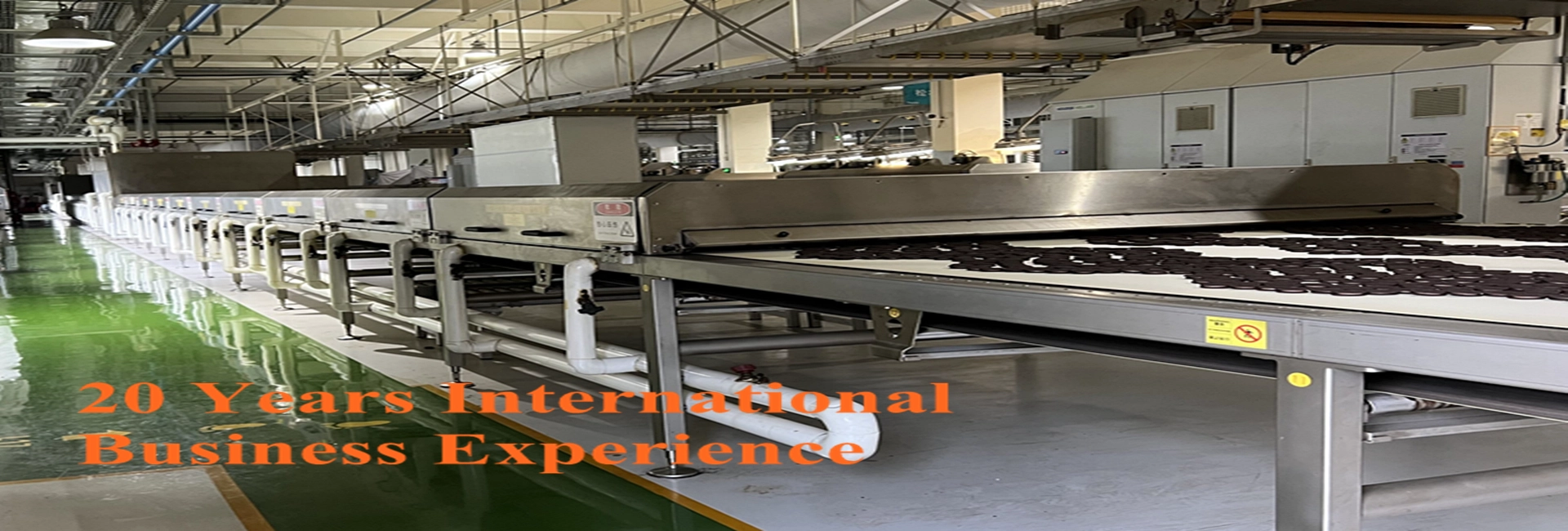
Two of own plant for manufacture and pre-assembly.
Senior engineers for design and technical support. Contact Now
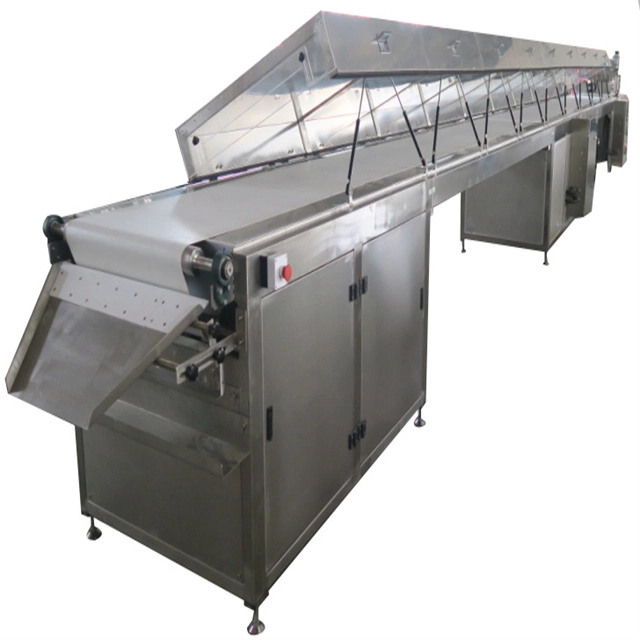
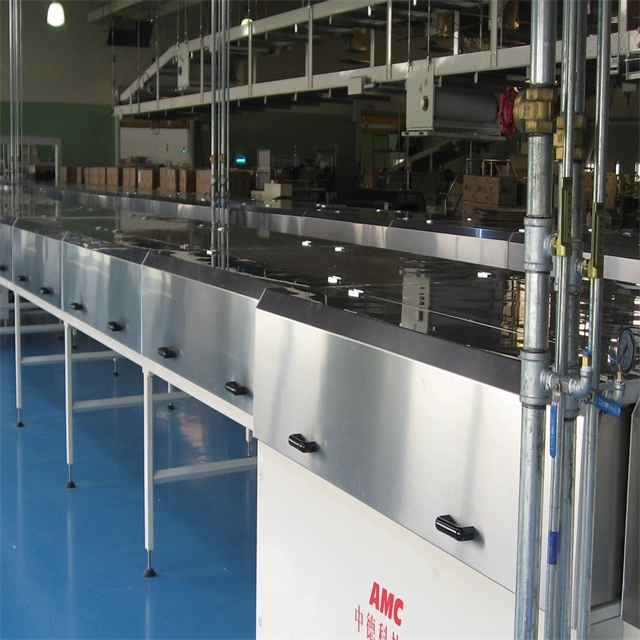
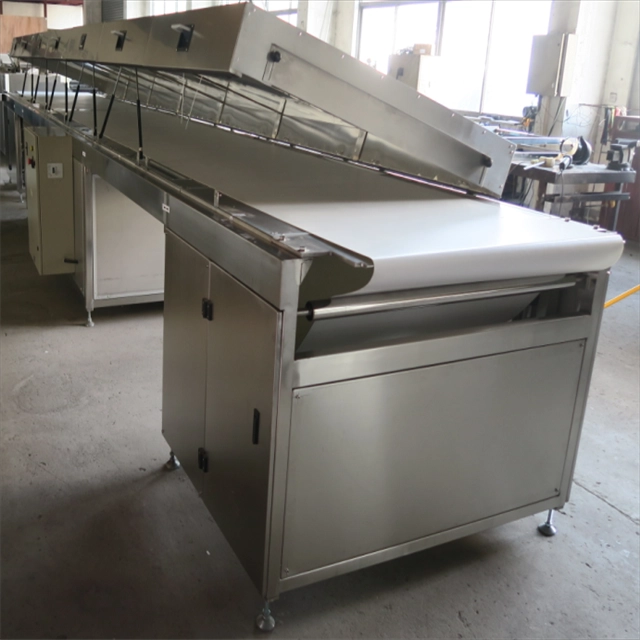
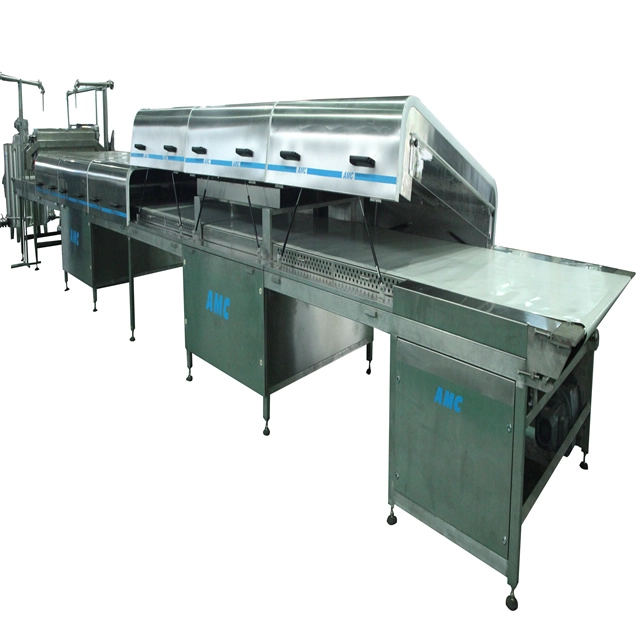
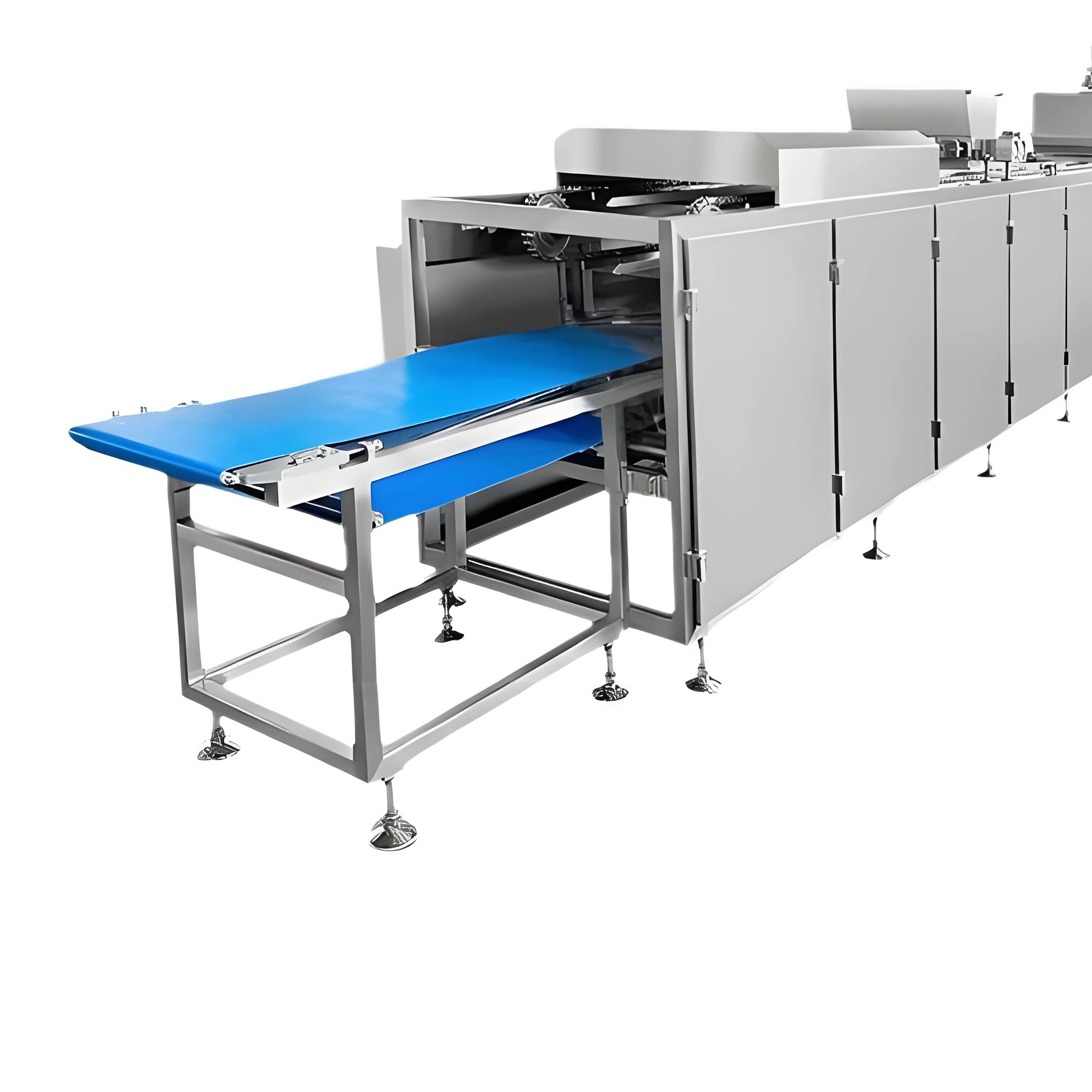
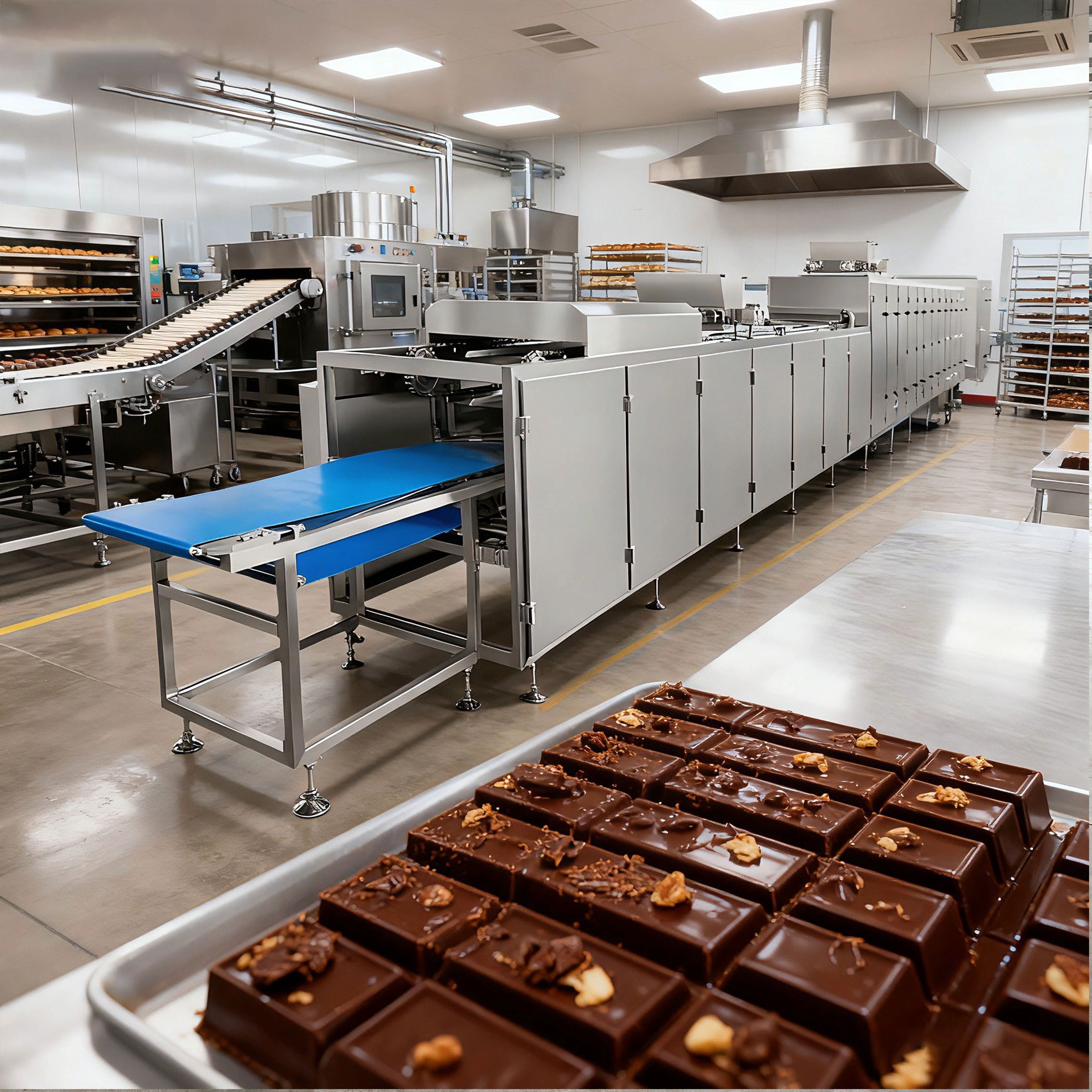
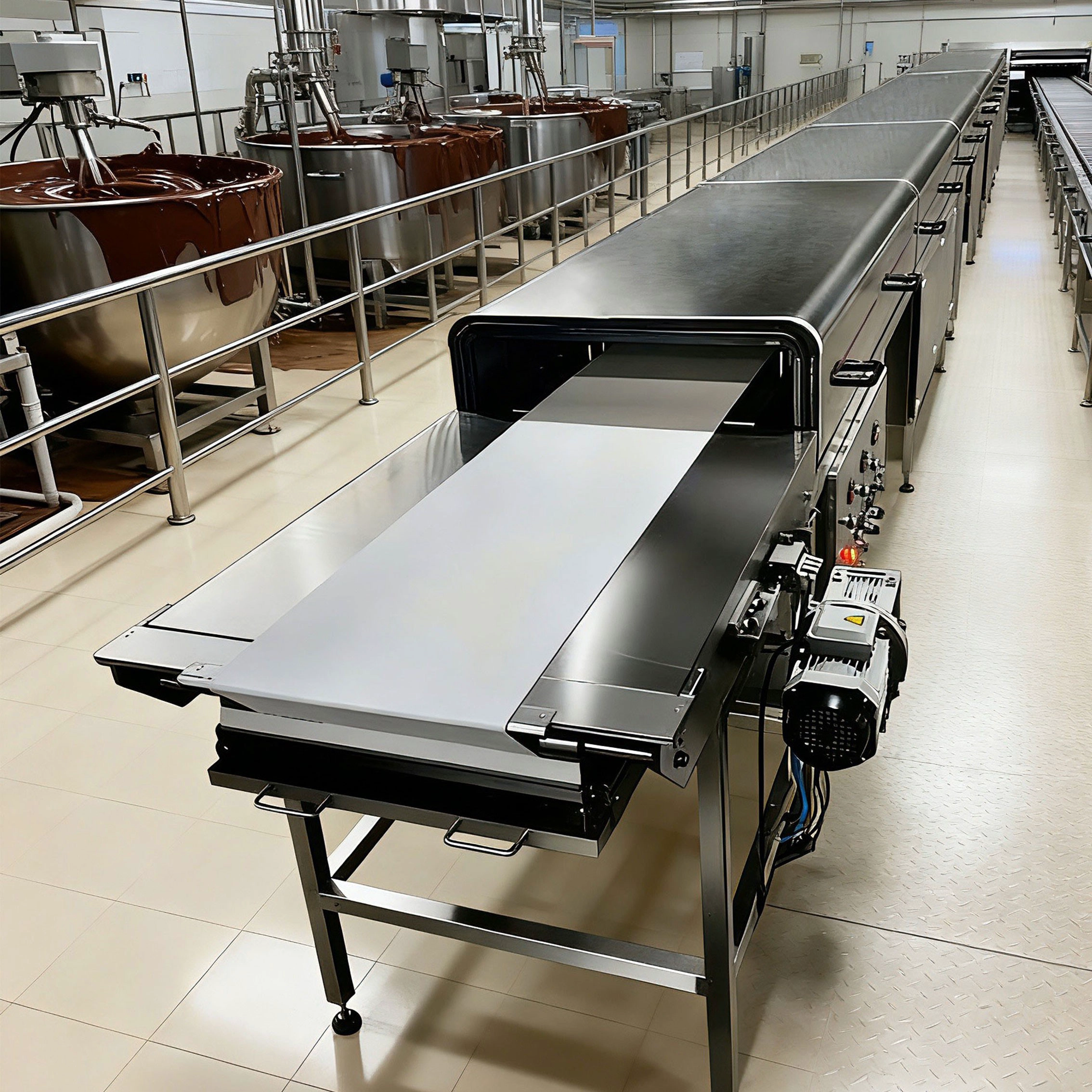
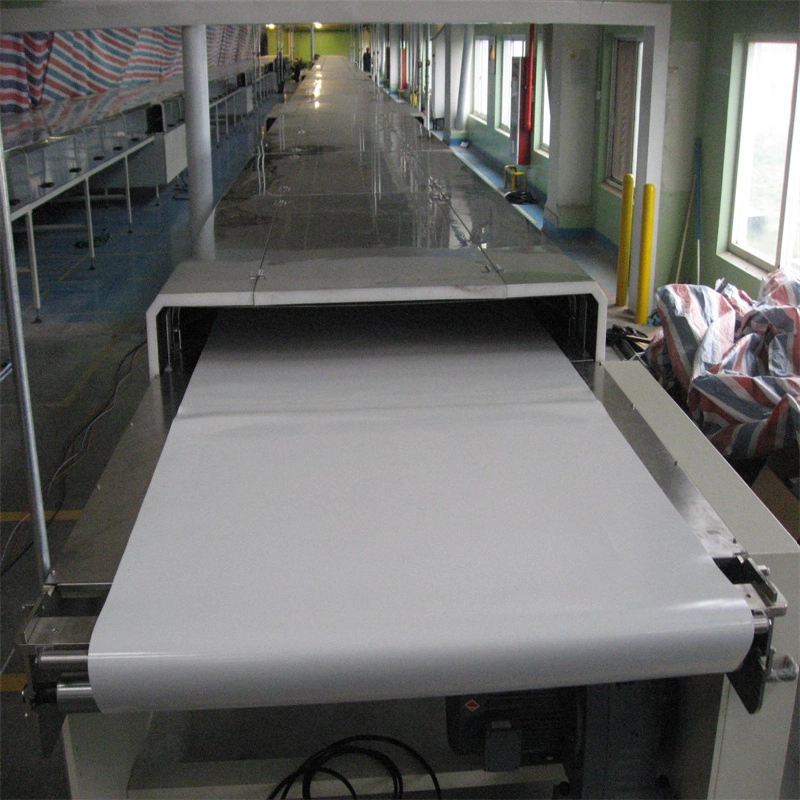
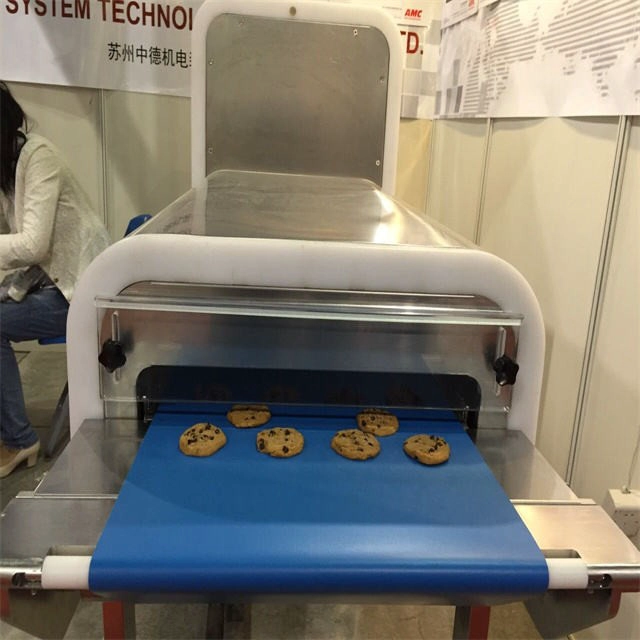
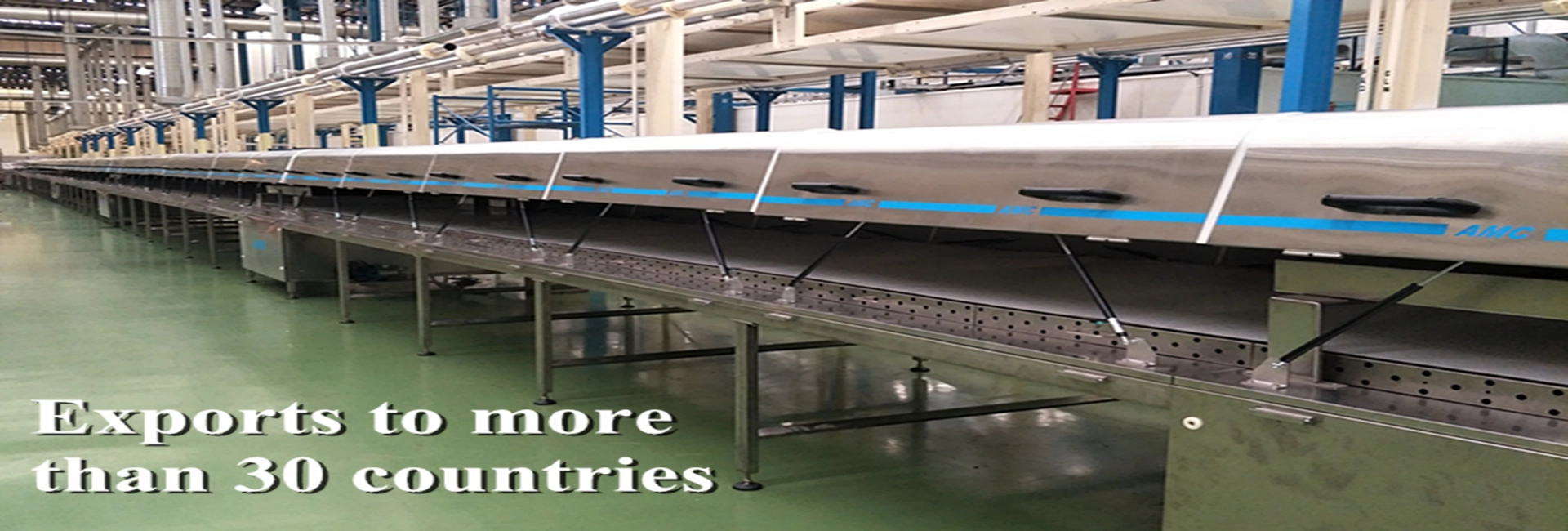
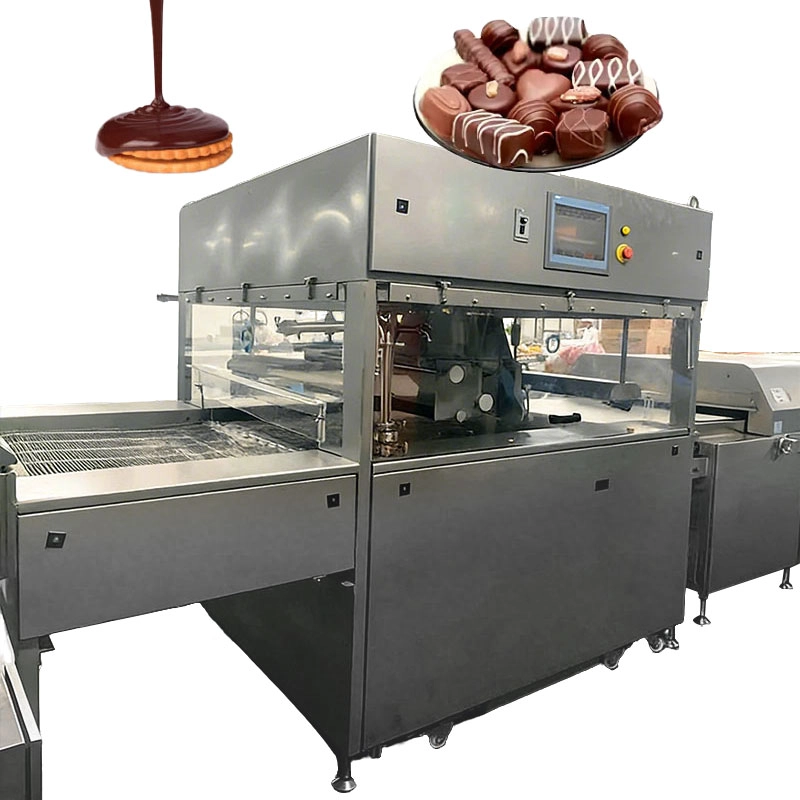
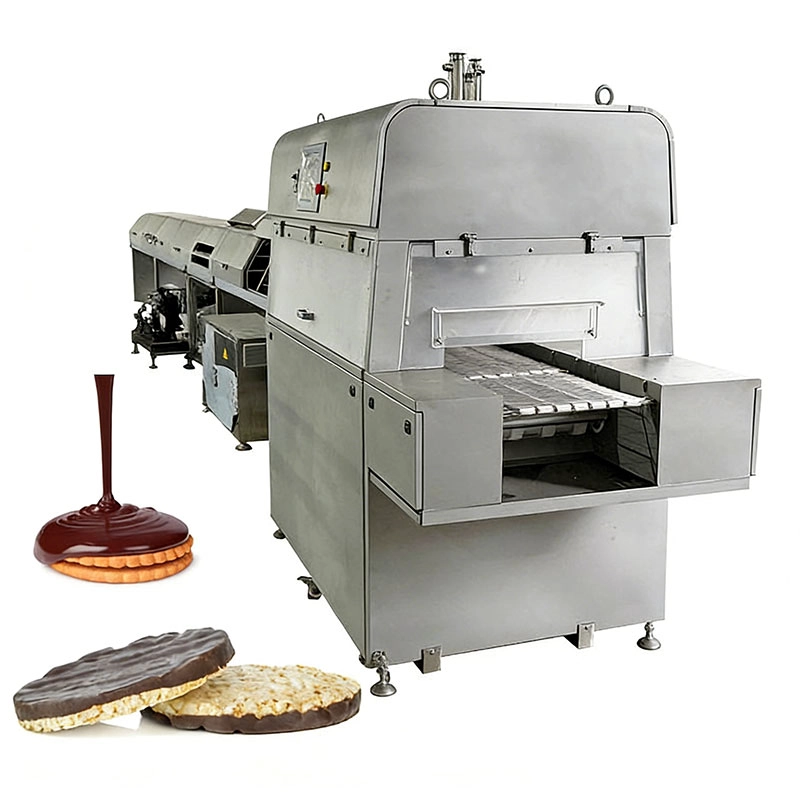
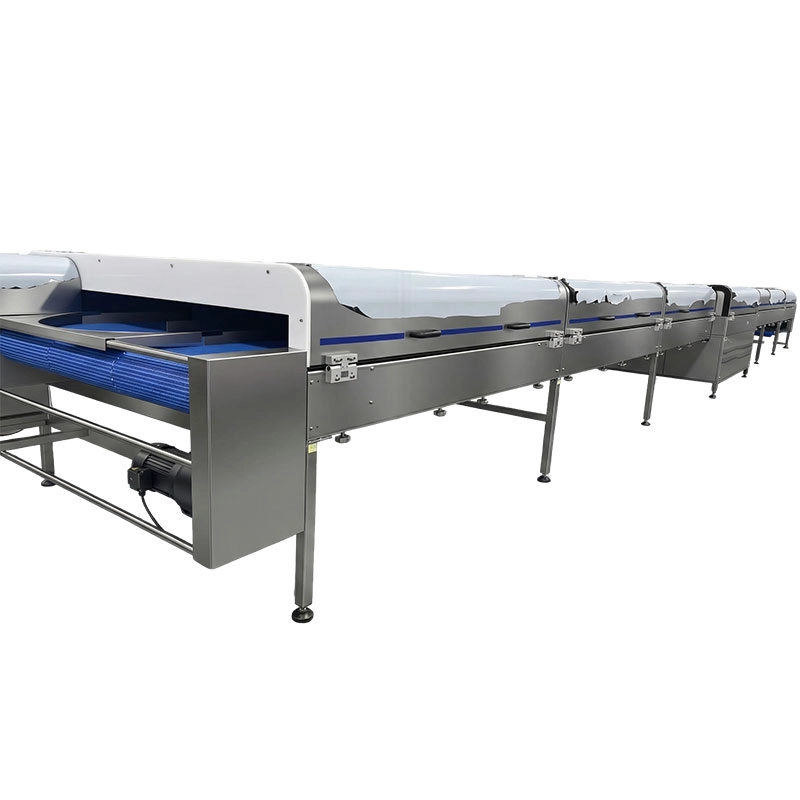
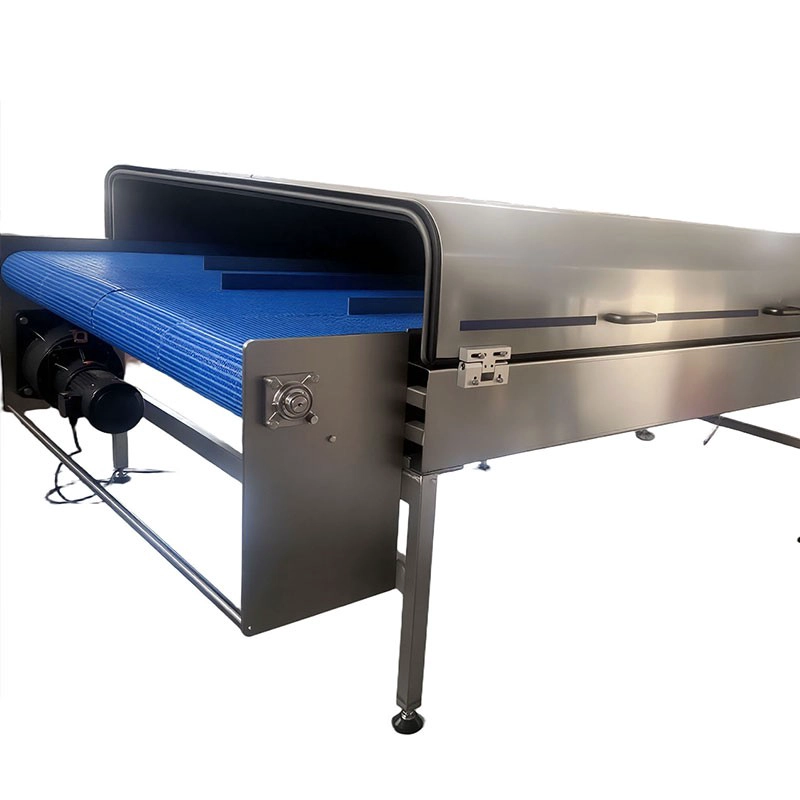
High effect factory price easy operation stationery cooling tunnel
- Origin: Jiangsu, China (Mainland)
- Type: Meat Processing Machinery Service
- Provides: provide service machinery overseas engineer
- Material: Stainless steel 304
- Processing Type: chocolate and bread products processing
- Size 1: 12000 * 1650 * 1800 mm
- Belt speed: 1-13m / min
- Net width: 550/650/750 mm
- Weight: 3,600 kg
- Advanced: TUV / ISO9001
- Cooling Length: 10 m above
Chinese production of stationery cooling tunnel
I. Overview:
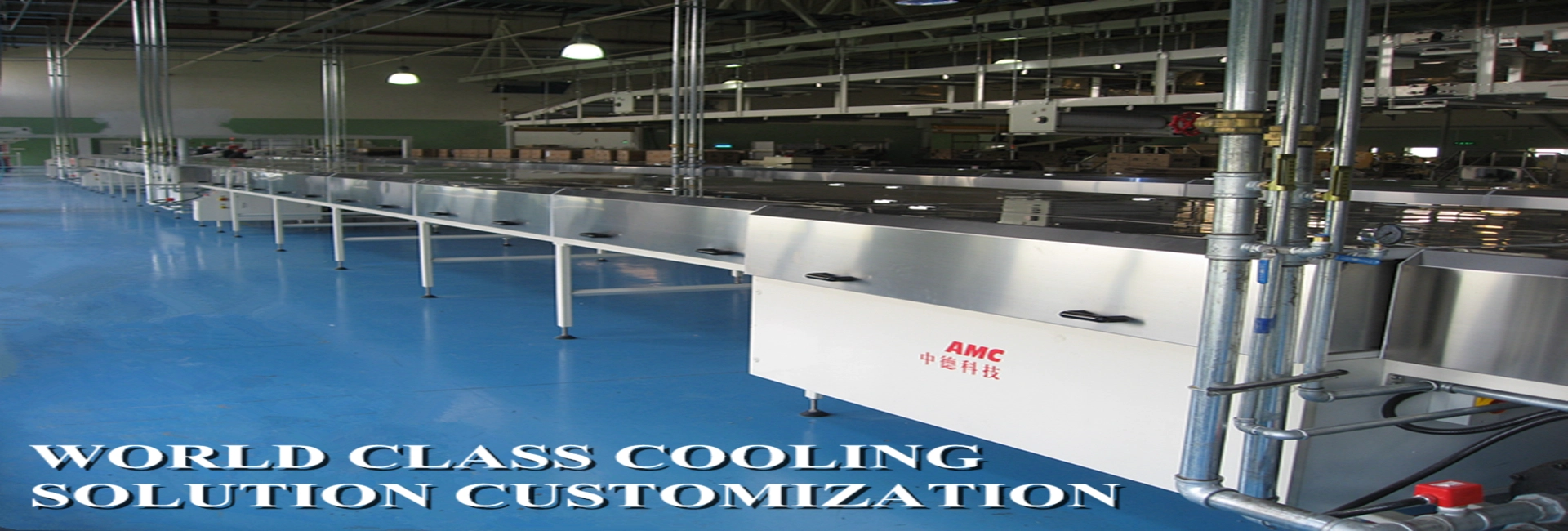
Cooling tunnel is designed for food, chemical, industrial industry rapid cooling of equipment, materials reduce the time to reach the production line through the tunnel, the ideal device space, is the modern industrial automation production lines necessary cooling equipment. Cooling tunnel for the product characteristics of each industry are custom series. Products based on the different process requirements of different users of the product out of temperature, product volume, product yield, etc., different processes designed to meet the technological requirements, configure the high-precision automatic control system. Distribution is more uniform than conventional cooling line, more speed, more energy, greatly improving production efficiency.
Second, the principle:
1, equipment rack made of stainless steel, the overall structure is compact, beautiful appearance health;
2, enter the temperature can reach several hundred degrees out temperature can reach tens of degrees below zero;
3, blowing insulation, flow distribution uniform and stable temperature field constant;
4, the use of thermal insulation technology to reduce energy consumption;
5, a variety of energy utilization of heat recovery technology, energy saving, environmental protection;
6, the temperature sensor, high accuracy;
7, multi-process composition, reasonable process, can handle a variety of materials;
8, can provide users with heat distribution testing services, the use of expert systems, on-line monitoring of the entire production process of temperature changes.
Third, the application areas:
Cooling for a variety of food industry, daily chemical cooling, industrial production and other needs of rapid cooling of objects. (Such as chocolate, cookies, nuts, yogurt, etc.)
- Other Products