















How Chocolate Cooling Tunnels Work: The Complete Guide to Perfect Crystallization
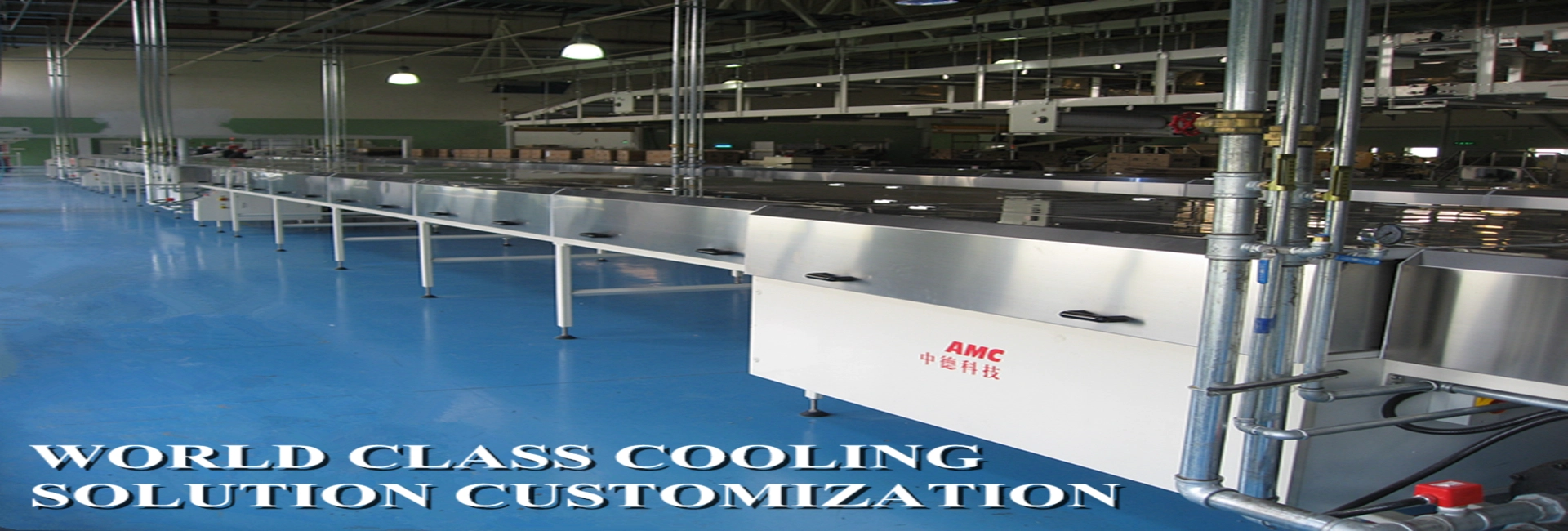
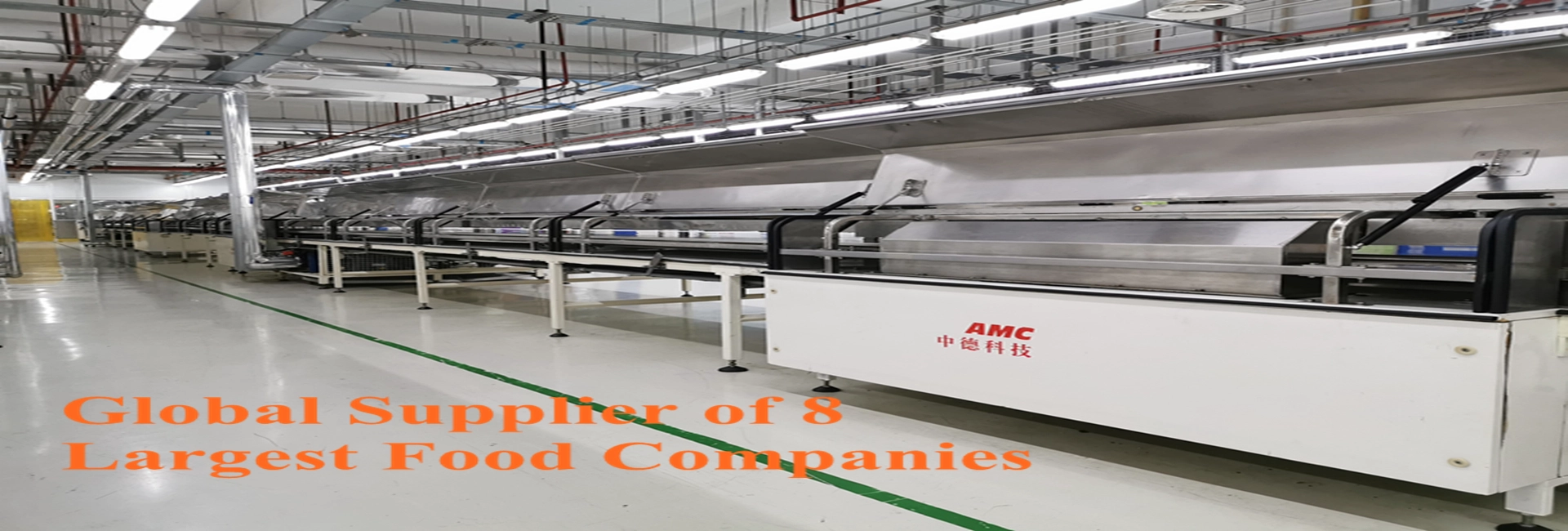
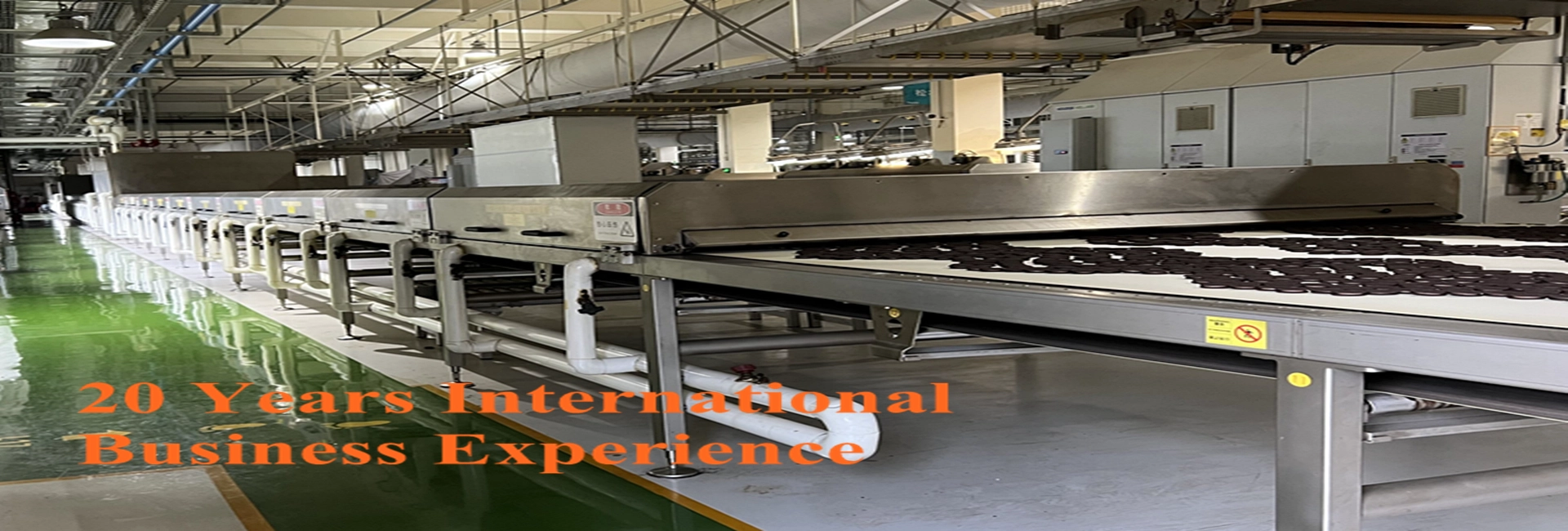
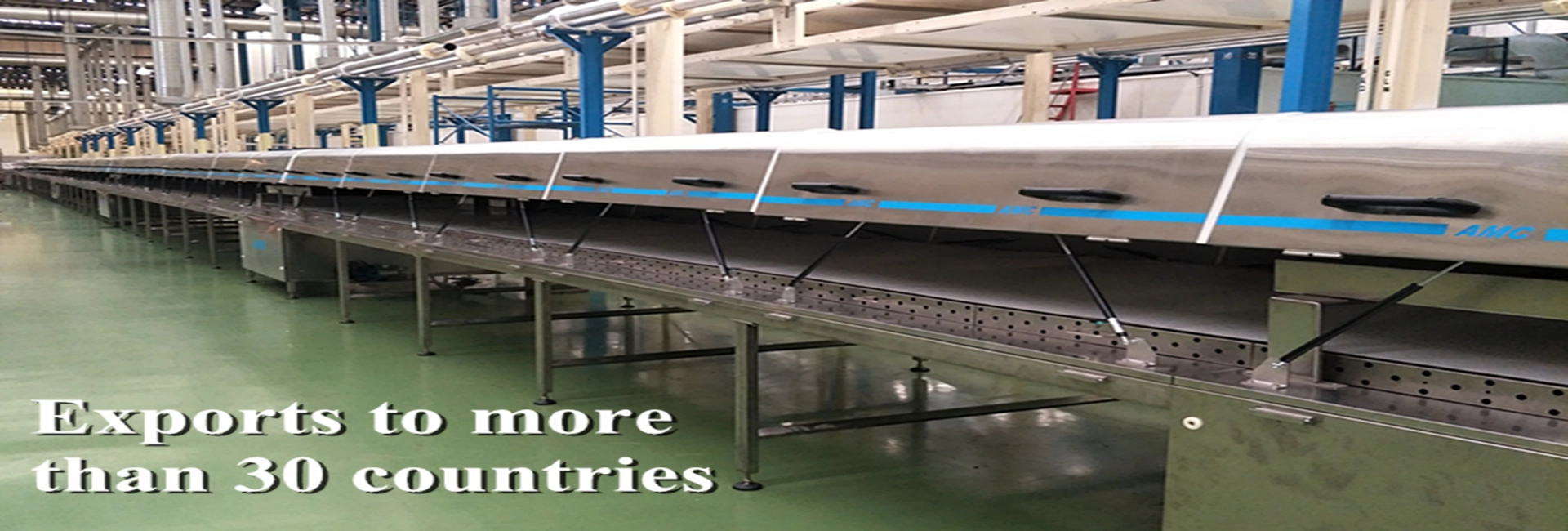
In a chocolate factory, there is a moment that quietly decides the fate of an entire production batch—not in the mixer, not in the depositor, but inside a long, temperature-controlled tunnel where thousands of products slowly set into their final form.
The chocolate cooling tunnel is where a tempered liquid becomes a solid product with gloss, snap, contraction, and bloom resistance. Get the tunnel right, and the product exits glossy and demoulds clean; get it wrong, and you get cracks, dull tops, and bloom—on chocolate that left the depositor perfect.
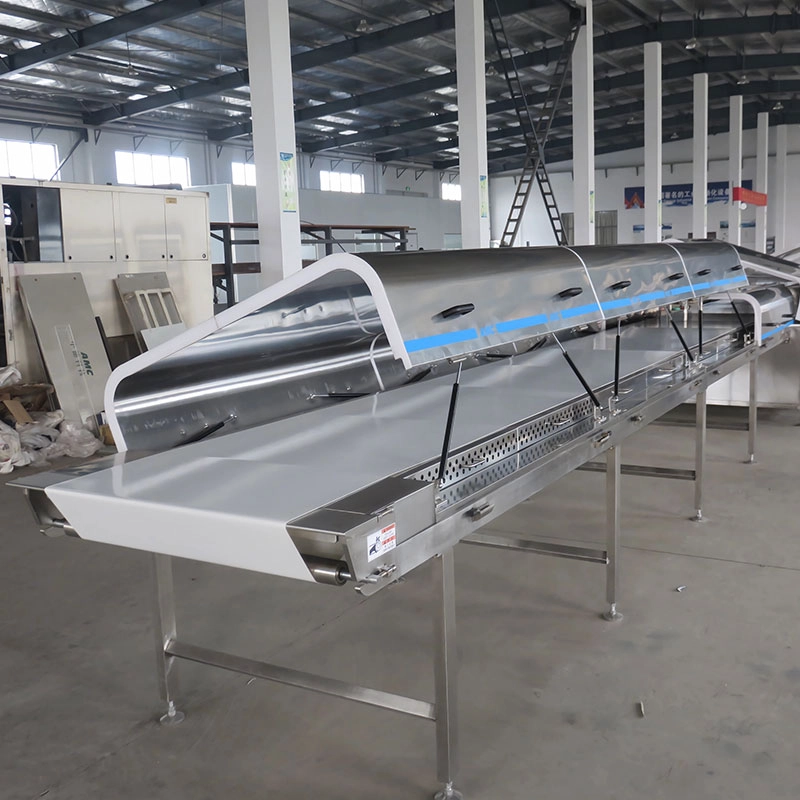
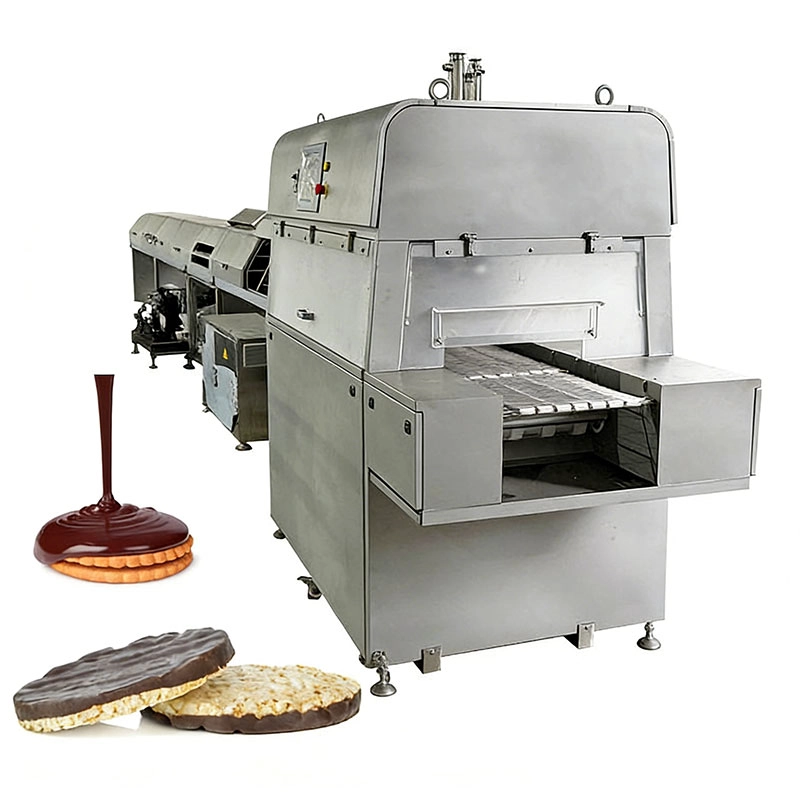
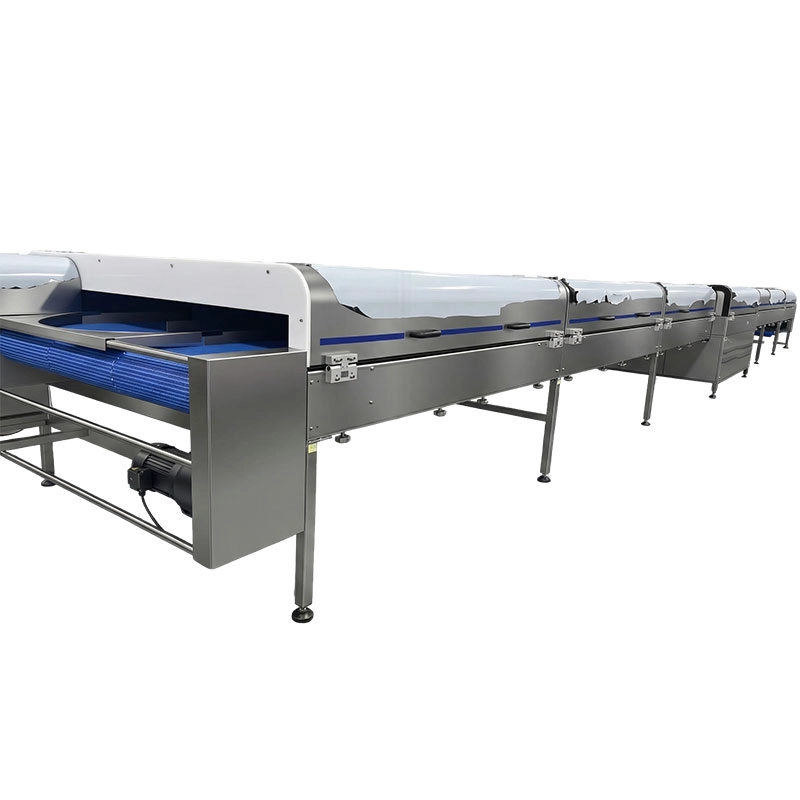
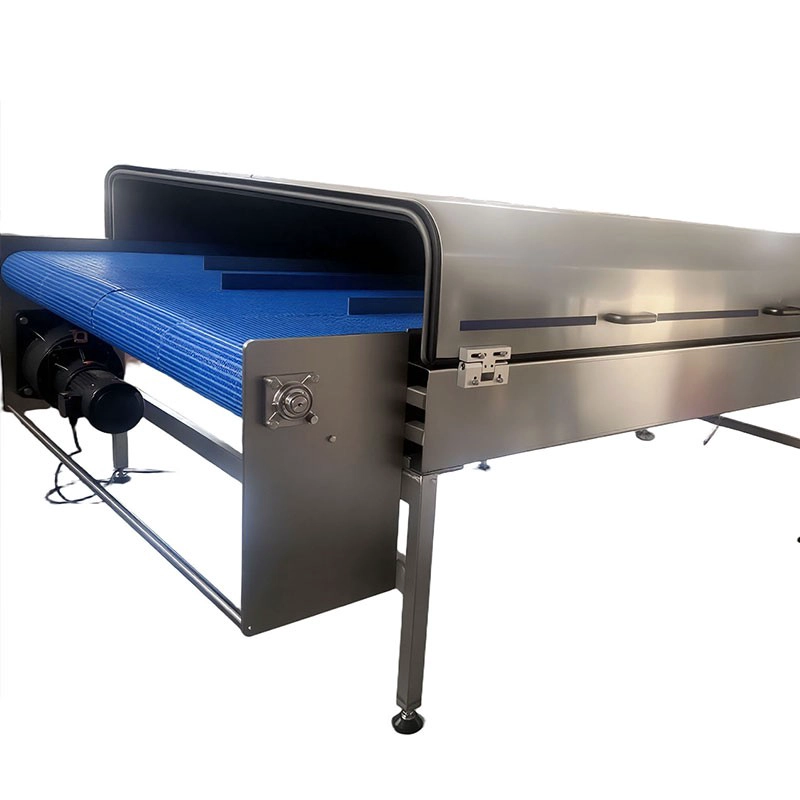
The cooling tunnel operates on a straightforward principle: refrigerated air is circulated through the tunnel to remove heat from the chocolate products. The air inside the tunnel is cooled by a coil through which refrigerated fluid flows. A fan draws air over this coil, providing continuous circulation of chilled air throughout the tunnel. The air velocity can be further accelerated by directional fans that increase the convective heat transfer coefficient, speeding up the cooling process.
Modern cooling tunnels cool products from both above and below for uniform results. Products can be cooled from the top using convection and/or radiation air cooling, and from the bottom using air-cooled bottom plates or cooling platens in contact with the underside of the conveyor belt.
This dual-sided approach ensures uniform crystallization and prevents uneven cooling that can lead to defects.