

















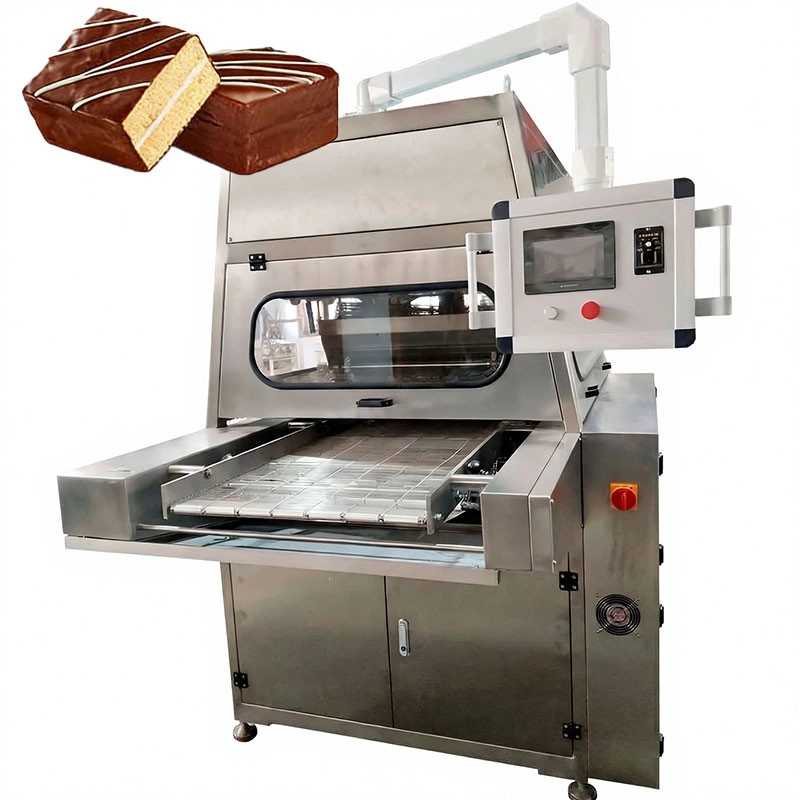

Why Perfectly Tempered Chocolate Fails the Moment It Leaves the Cooling Tunnel
You can have the most perfectly tempered chocolate in the world—precisely seeded with stable beta crystals, glossy in the depositor, flawless on the enrober belt. Then it enters the cooling tunnel. And three minutes later, it comes out cracked, dull, or covered in a grey-white film.
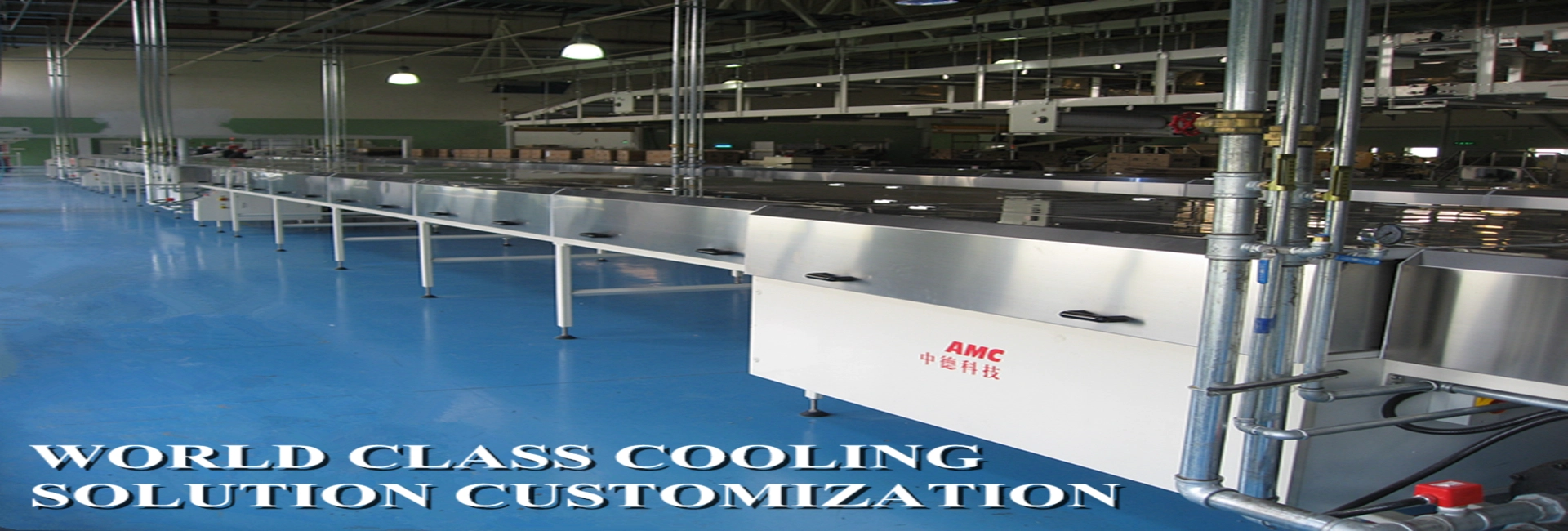
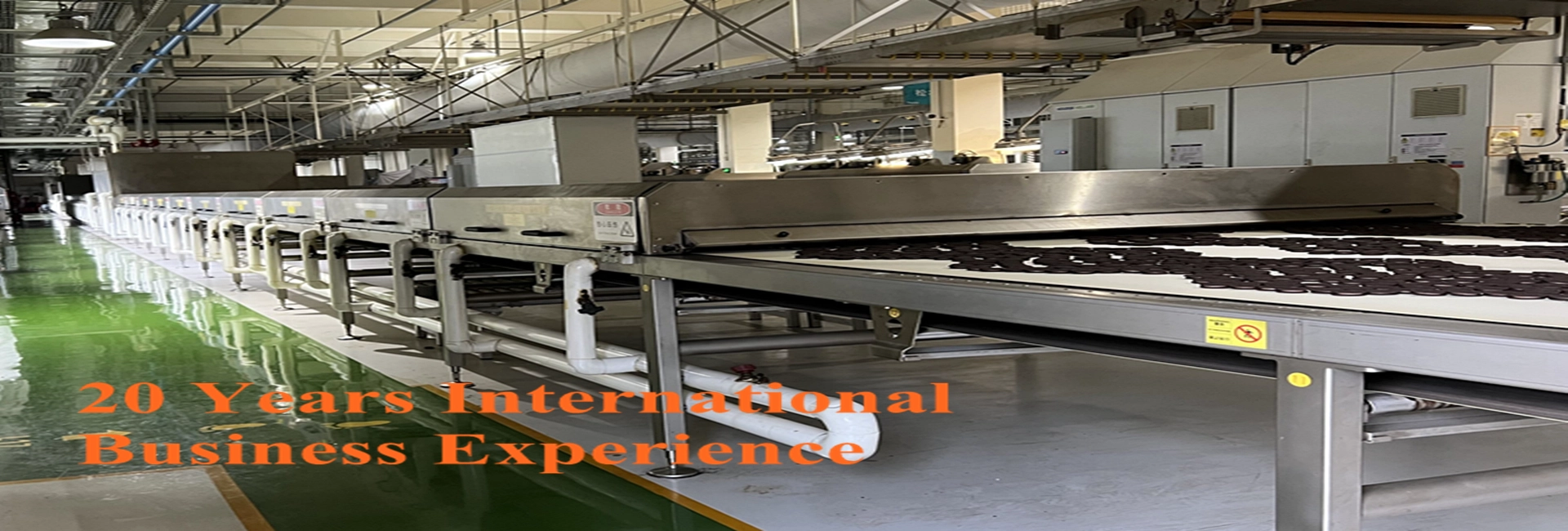
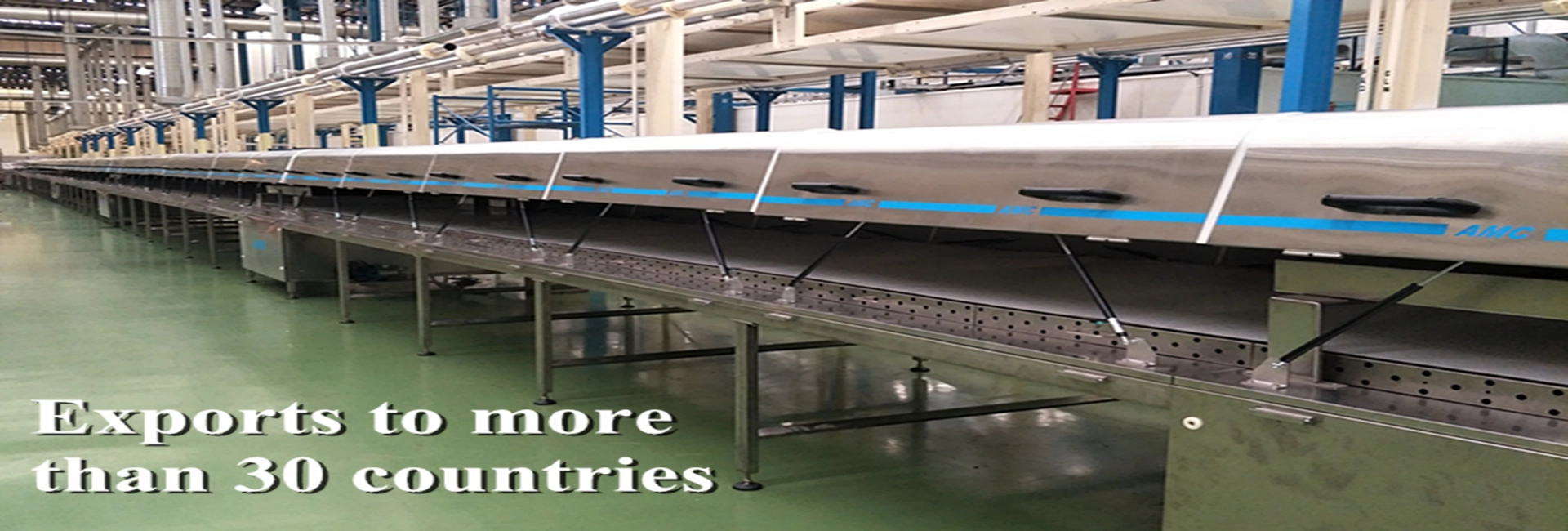
The cooling tunnel is where a chocolate product either keeps its temper and gloss or loses both. Get the tunnel right and the product exits glossy and demoulds clean; get it wrong and you get cracks, dull tops and bloom—on chocolate that left the depositor perfect.
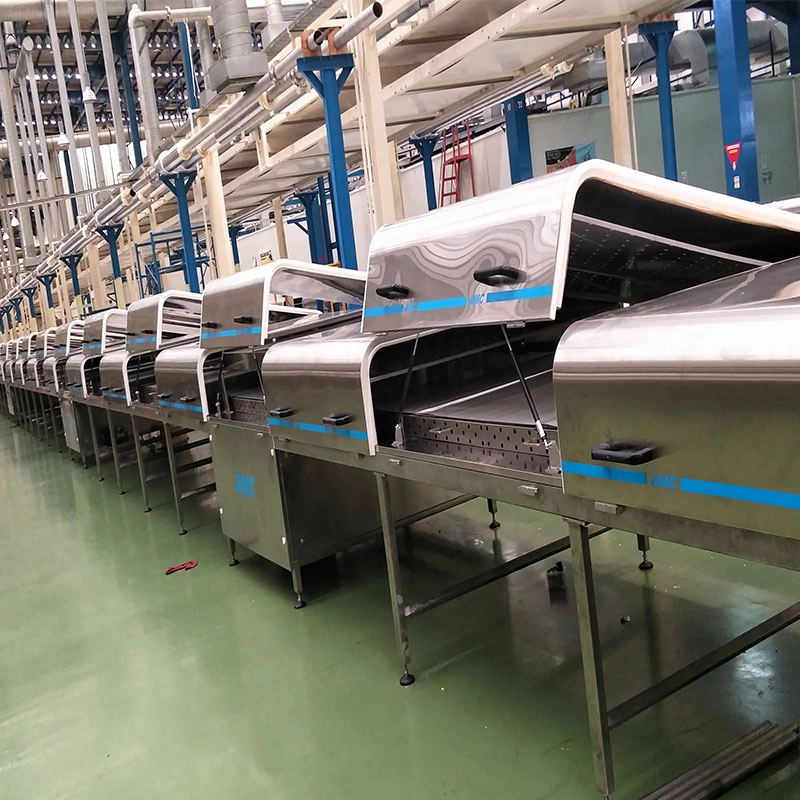
Many chocolate producers assume that if the chocolate leaves the tempering unit with the right crystal structure, the job is done. This is incorrect.
Tempering creates the right crystal seeds. But cooling determines how those seeds grow through the product. The cooling or solidification process for chocolate products after enrobing is as critical as the tempering phase. Improper cooling conditions will result in poor gloss, tackiness, minimum shrinkage, and a shortened shelf life.
Think of it this way: tempering plants the seeds; cooling grows the crop. You can plant the finest seeds in the world, but if the soil is wrong, the crop fails.